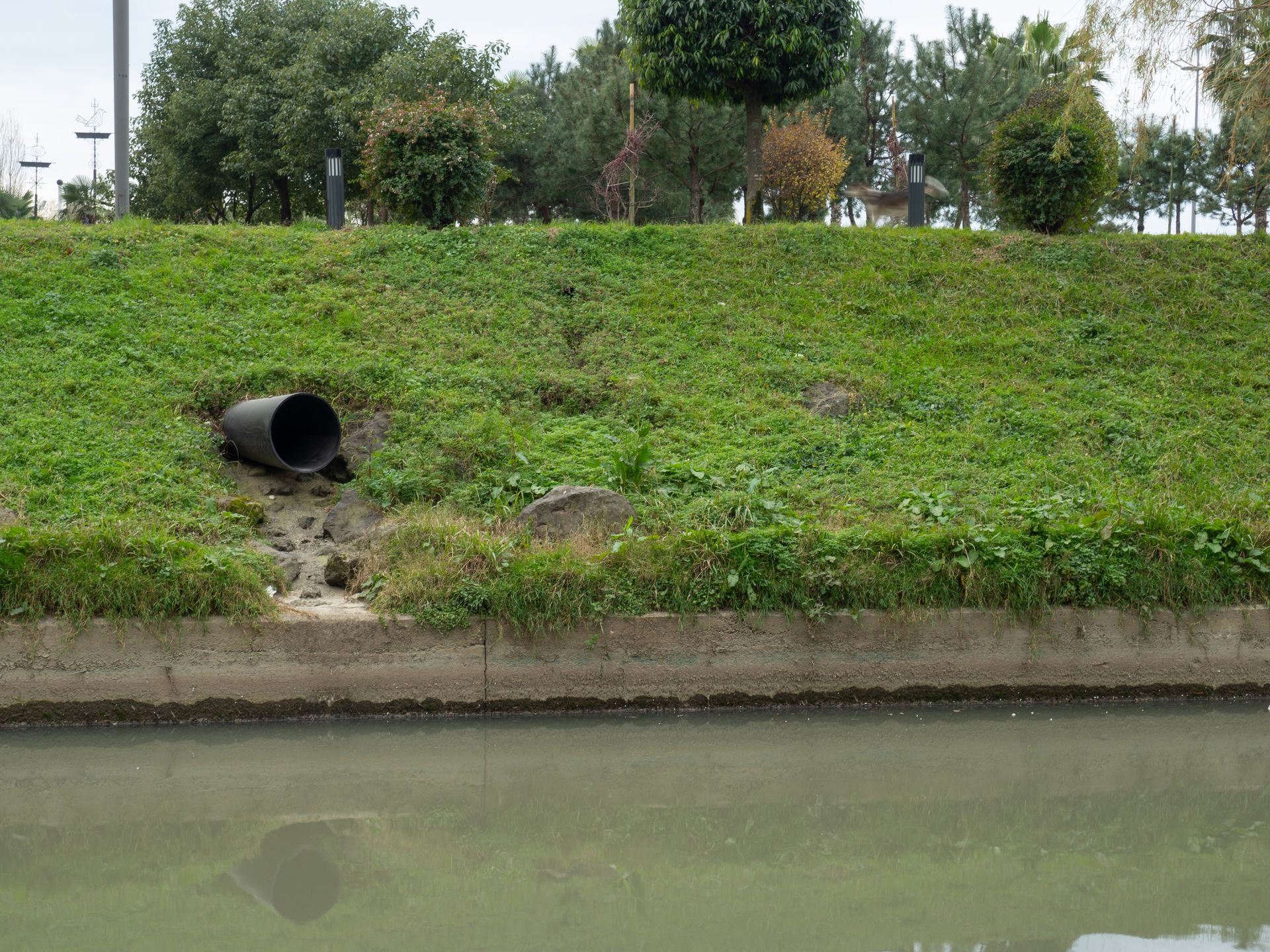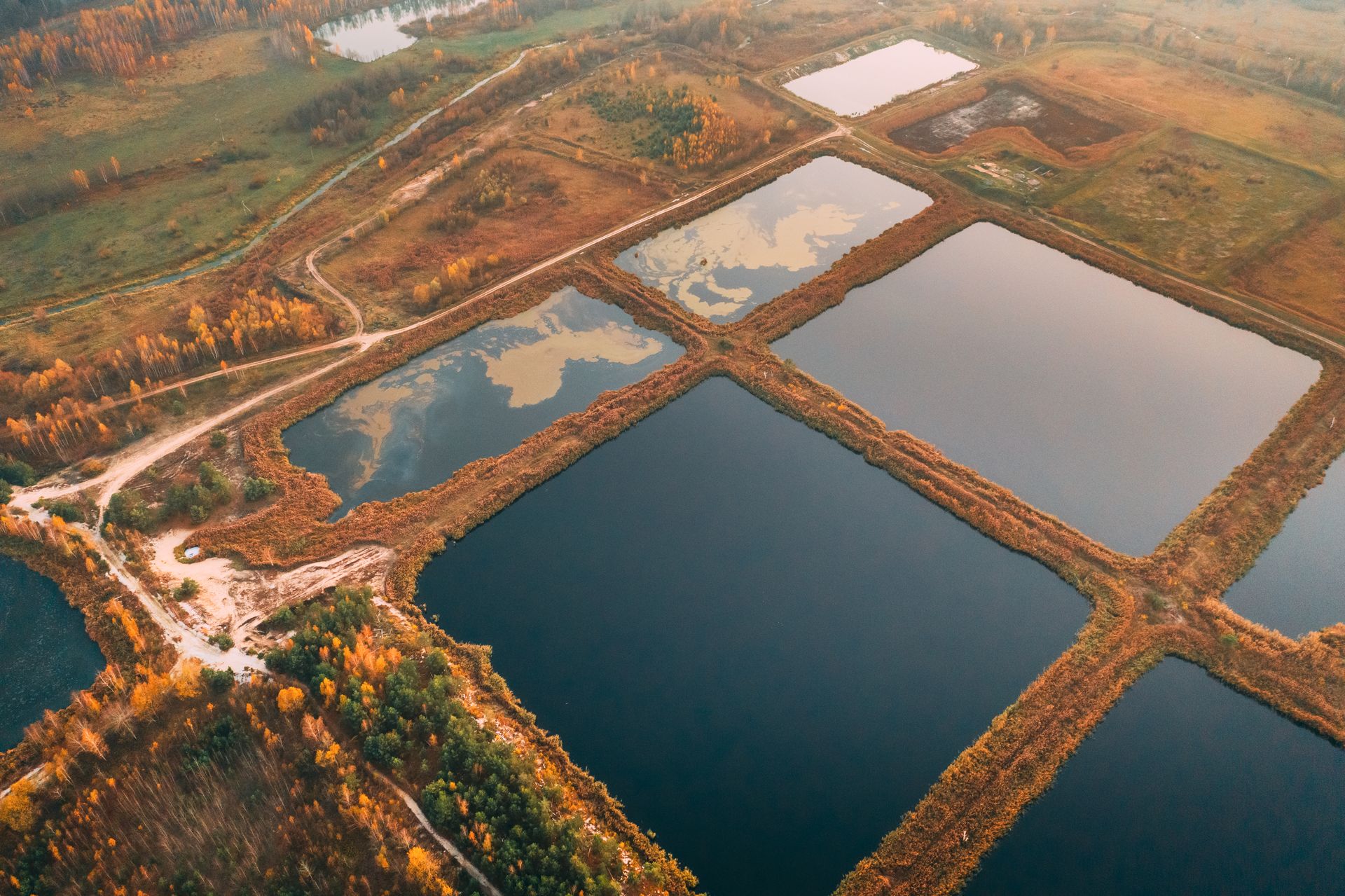
Construction sites that disturb one acre or more of land and discharge into public waters are required to develop a Stormwater Pollution Prevention Plan (SWPPP) when applying for a construction general permit. These plans are designed to limit the exposure of pollution with stormwater runoff to protect local environments.…
read moreTop 5 Methods of Land Clearing | Which Is Right for You?
The first step before beginning any construction or agricultural project is land clearing to remove any obstacles present.
However, not all land clearing methods are suitable, and when hiring a land clearing company, they may suggest their own, which could impact the price and time it takes.…
read moreWhat Is Hydroseeding? A Superior Seeding Solution (7 Benefits)
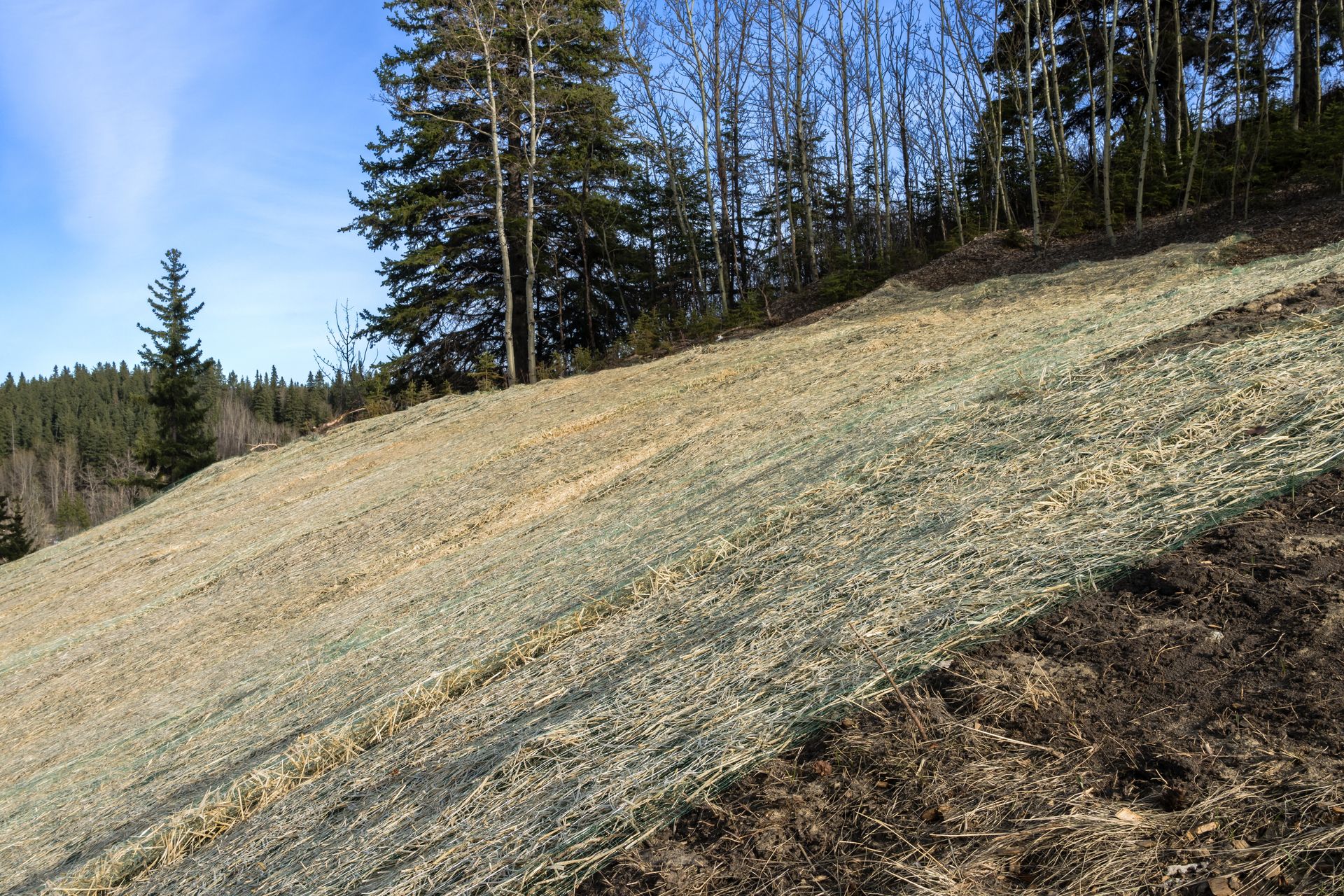
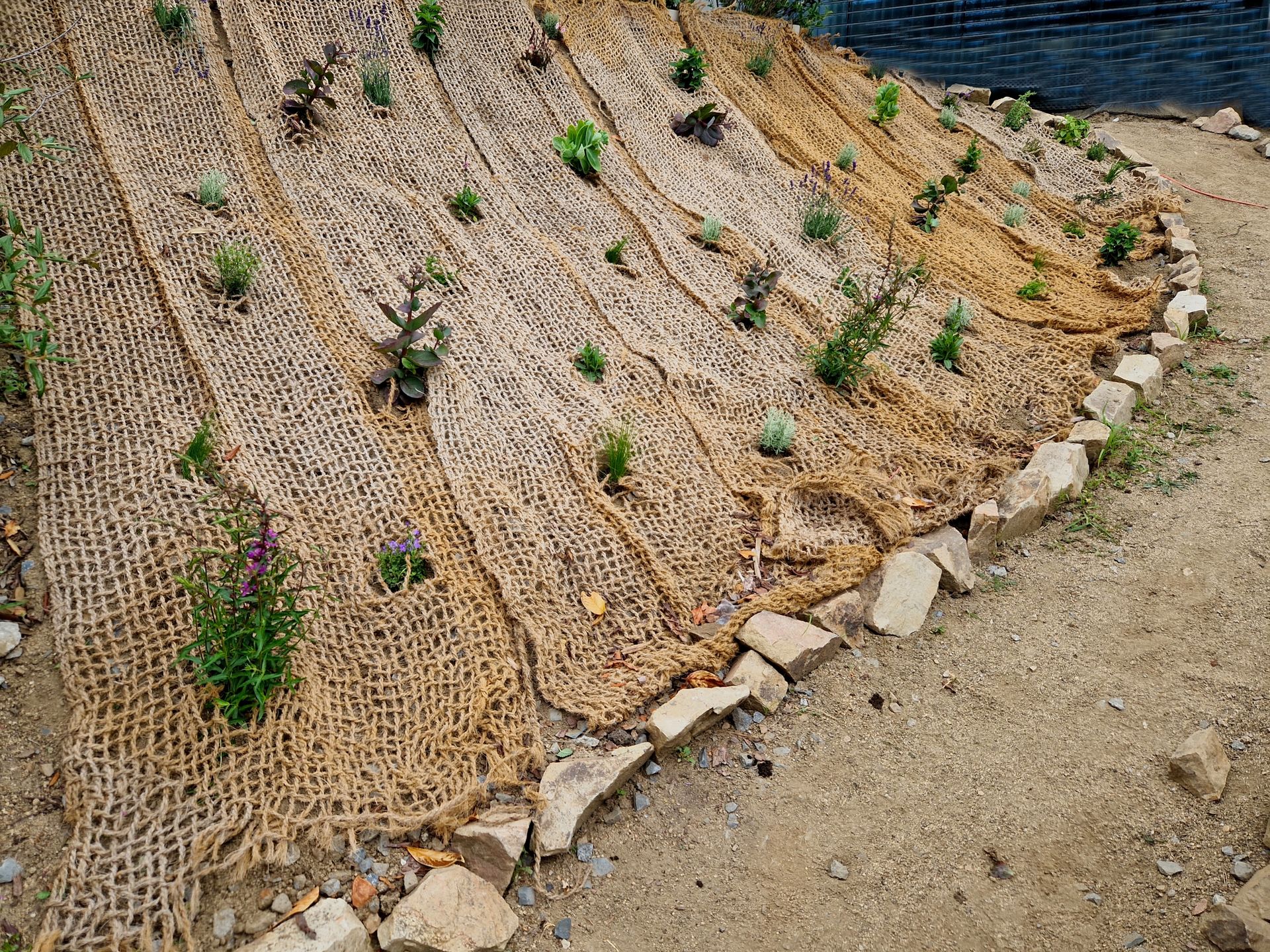
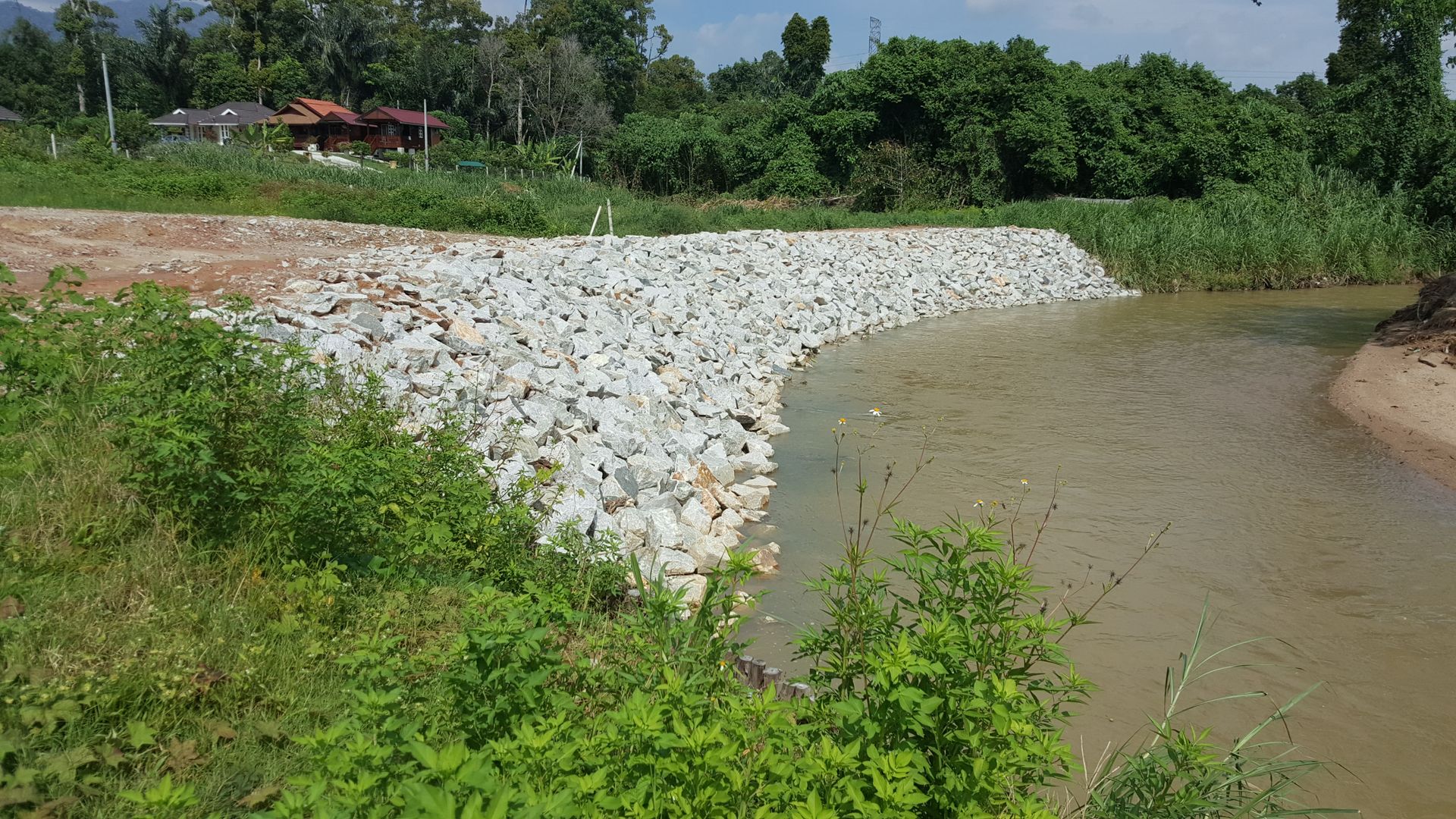
Construction activity and land clearing can leave soil liable to erosion and sedimentation, which eventually mixes with stormwater runoff and leads to pollution.
Experts often recommend temporary seeding, especially on hills and slopes, to improve soil infiltration and slow the velocity of stormwater runoff.…
read moreStormwater Management 101: Inlet Protection
In the realm of stormwater management, the storm drain inlet serves as a critical final juncture before pollution-laden stormwater runoff and public surface waters.
Not only do storm drains and curb inlets provide an opportunity to filter out sediment before their final discharge, but site operators must ensure that these systems are draining properly to prevent flooding.…
read moreStormwater Management 101: Concrete Washouts
Cement and concrete are ubiquitous building materials used in virtually every construction and land development project in the United States.
However, concrete and cement tend to generate significant waste, from resource extraction to carbon dioxide release.
One of the primary causes of concern for the EPA and many states has been what to do with leftover concrete waste that site operators wash away to prevent the materials from hardening.…
read moreHow to Choose the Right Street Sweeper for a Project
Street sweeping is a versatile practice that can help maintain work zone cleanliness and protect local environments from pollution. In the construction industry, street sweeping is invaluable in stormwater management, removing harmful pollutants from worksites and preventing debris from accumulating in drainage systems.…
read moreHow Street Sweeping Benefits Stormwater Management
Many people associate street sweeping with urban planning, but its use extends beyond municipal planning. One of the lesser-known benefits of regular street sweeping is its significant contribution to stormwater management, especially for construction sites where many harmful materials tend to gather.…
read moreNatural Erosion Control: Straw and Fiber Wattles
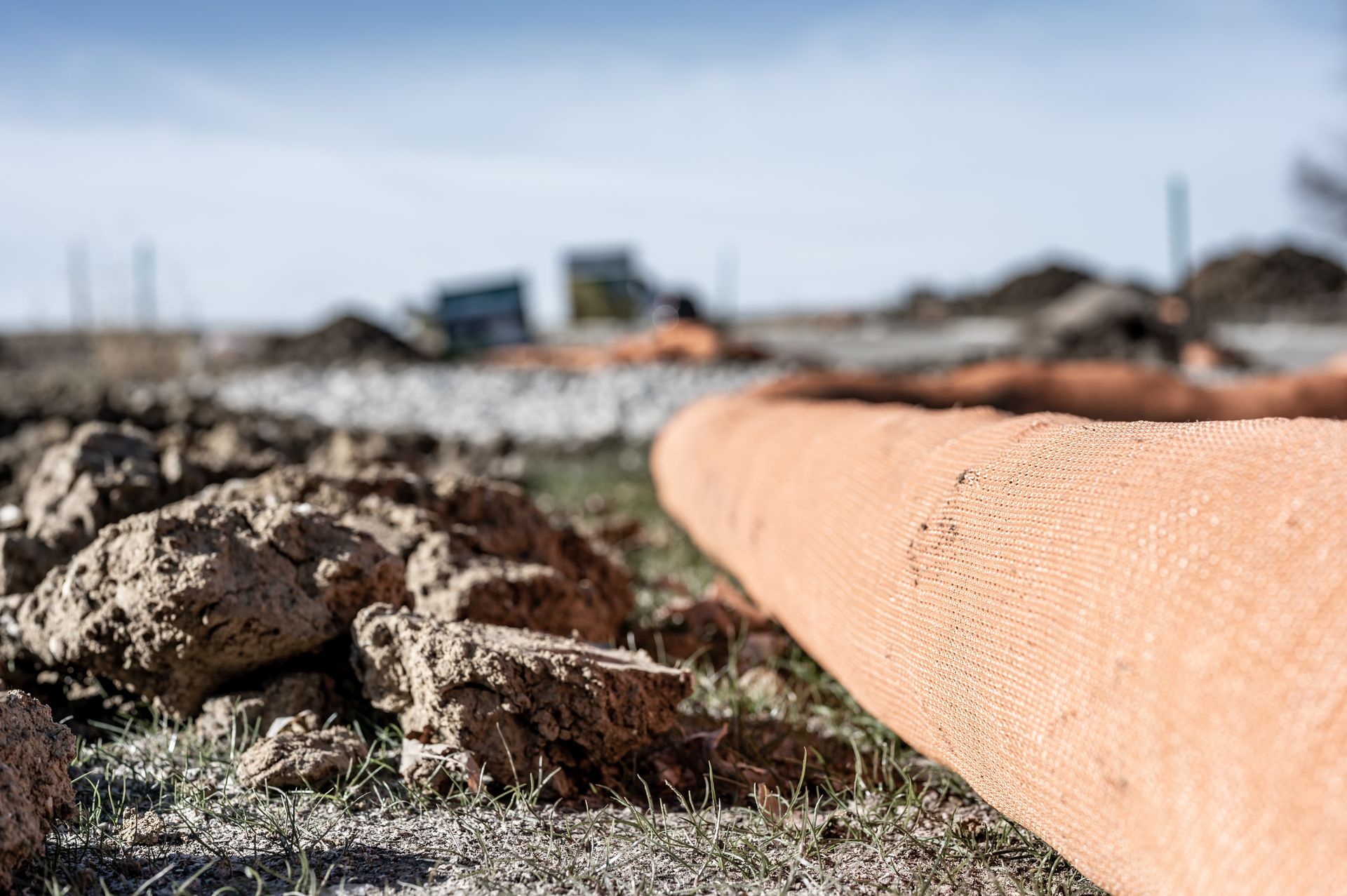
Despite the dozens of best management practices for erosion control available, straw wattles are one of the simplest and most versatile solutions.
Not only are straw wattles 100% biodegradable but they can be installed virtually anywhere you can think of and without the use of heavy machinery.…
read more10 Essential Components of Commercial Land Development
The iterative process of converting raw land into a functional, economic space is a breathtaking venture that requires more planning and labor than most can comprehend.
Before that foundation is ever poured, site planners must endure several trials and tribulations involving months of planning, permitting, land clearing, and budgeting.…
read moreSilt Fencing 101: When Is a Silt Fence Required?
Due to the impact that construction-related activities can have on nearby topsoil, erosion controls are often necessary to prevent sediment-laden water from polluting nearby surface waters.
One of the most popular forms of erosion control is silt fencing, which helps divert, slow, and filter oncoming stormwater runoff as it passes over slopes.…
read more