
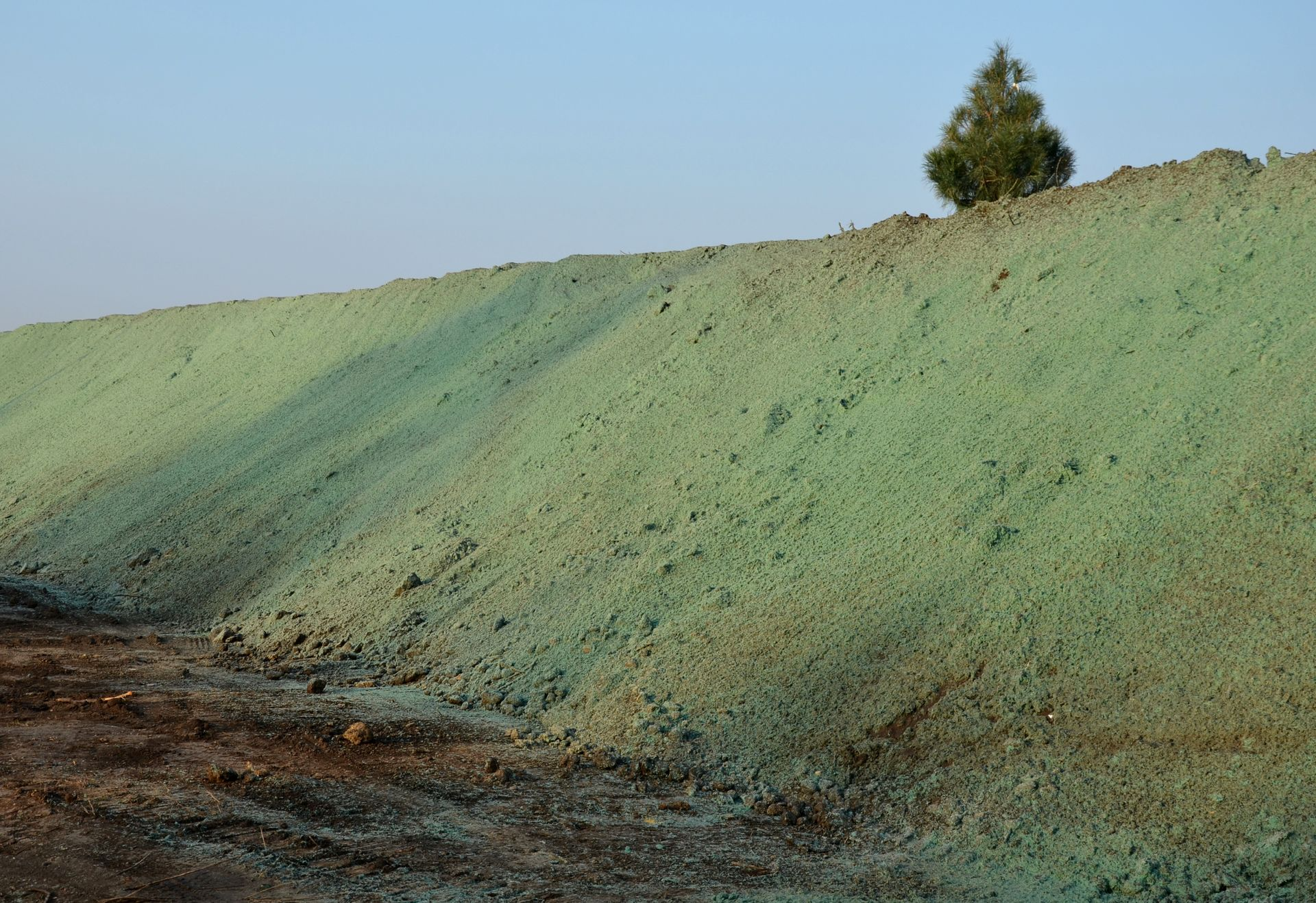
The best grass seed for effective erosion control depends on your climate and soil type, but deep-rooted, fast-germinating perennial ryegrass and tall fescue are widely considered the top choices for immediate soil stabilization.
For long-term stabilization, a blend of quick-establishing cool-season grasses paired with hardy, deep-rooted native warm-season grasses (such as Bermuda grass or permanent native mixes) provides the best defense against soil washout on vulnerable hills, slopes, and construction sites.
Key factors our team uses for determining the right grass seed for erosion control include:
- Rapid Germination: Species like perennial ryegrass sprout within days to quickly bind loose topsoil.
- Deep Root Systems: Grasses like turf-type tall fescue penetrate deep into the ground, anchoring the soil matrix against heavy rain and stormwater runoff.
- Site Adaptability: Choosing between native vegetation and resilient commercial blends ensures long-term survival in disturbed soils without requiring excessive maintenance.
Another important aspect of choosing grass seed is how it is planted and preserved during germination.
Hydroseeding offers a fast and hardy solution, containing seeds, tackifiers, and fertilizers that allow for rapid germination. However, hydroseeding mixtures are limited, making erosion-control mats and blankets necessary for vulnerable mixtures at active sites.
In this guide, we will break down the exact strategies you need to quickly stabilize native and disturbed soils.
We’ll explore how to choose the right construction grass seed for your specific climate, how to accelerate growth using advanced techniques like hydroseeding, and the best practices for maintaining lush, protective cover on steep slopes and challenging terrains.
How Does Grass Seed Improve Erosion Control?
Grass seed improves erosion control by binding loose soil particles with a dense root matrix, increasing stormwater infiltration, and creating a permanent natural barrier against wind and water washout.
While temporary tools like silt fences offer immediate protection, establishing turf-type grasses provides a long-term, self-sustaining defense that requires little maintenance.
- Binds the Soil: As the grass seed germinates, its growing roots bind soil particles together. This root matrix locks the soil in place, not only protecting the ground against immediate erosion but also actively helping to reverse any existing damage.
- Improves Water Infiltration: Living grass actively enhances the soil’s ability to absorb onrushing water. By increasing infiltration, it minimizes both the total volume and the velocity of stormwater runoff leaving a worksite, protecting nearby areas from washout.
- Provides a Sustainable, Long-Term Barrier: Compared to temporary structural Best Management Practices (BMPs) like geotextile blankets or silt fencing, an established turf offers a more aesthetically pleasing, cost-effective, and permanent natural defense against wind and rain.
What Are the Best Grass Seeds for Revitalizing Active Construction Sites?
The best grass seeds for active construction sites are perennial ryegrass for rapid, immediate root establishment, tall fescue for deep-rooted soil anchoring, and Kentucky bluegrass for dense, interconnected turf stabilization.
For warmer or more arid regions, resilient varieties like Bermuda grass and buffalo grass offer excellent low-maintenance erosion control on disturbed soils.
Choosing the right variety depends heavily on your project’s climate, soil composition, and topography. Below are the primary construction grass seeds used to combat rain, snow, and wind erosion:
- Kentucky Bluegrass: Known for its dense growth and strong root system, Kentucky bluegrass is ideal for stabilizing soil on slopes and embankments.
- Perennial Ryegrass: This fast-growing grass seed establishes its roots quickly, providing rapid erosion control in high-traffic areas.
- Tall Fescue: With its deep root system, tall fescue offers excellent erosion control and drought tolerance, making it suitable for various soil types.
- Bermuda Grass: Well-adapted to warm climates, Bermuda grass forms a dense turf, effectively preventing soil erosion on slopes and hillsides.
- Buffalo Grass: Native to North America, buffalo grass requires minimal maintenance and offers erosion control in dry, arid regions.
How to Improve Grass Seed Germination for Better Erosion Control
To maximize grass seed germination for erosion control, you must provide immediate nutrient support, retain soil moisture, and anchor the seed against wind and water displacement.
Implementing advanced seeding techniques and protective barriers ensures rapid root establishment before heavy rains wash away the topsoil.
Use Fertilizer and Mulch to Sow Grass Seed
Fertilizers supply essential nutrients that construction grass seeds need to establish healthy roots, while mulch helps retain soil moisture and protect seeds from erosion.
- Nutrient Support: Fertilizers furnish the raw nutrients that grass seeds need to rapidly establish deep, stable roots.
- Moisture Retention: Mulch provides a protective barrier that keeps soil damp and shields seeds from minor wind and water erosion.
- Higher Yields: Applying a balanced blend of both components significantly accelerates germination timelines on barren or disturbed ground.
Accelerate Seed Growth with Hydroseeding
Hydroseeding accelerates grass growth by spraying a pressurized slurry of seed, fertilizer, mulch, and water directly onto the soil for instant, uniform coverage.
Our field technicians use hydroseeding for stabilizing large, disturbed landscapes and steep construction slopes.
Hydroseeding suspends the seed in a moisture-rich nutrient mix, allowing it to begin germinating much faster than traditionally broadcast seed.
When choosing a commercial hydroseed blend, always ensure the slurry contains the specific turf or native grass species optimized for your local climate and soil conditions.
Protect Seeds with Erosion Control Mats and Blankets
For additional protection of seedlings during rain or wind events, we recommend covering seeds with an erosion-control mat or blanket. These mats are woven with a biodegradable geotextile fabric that protects seeds from displacement while still allowing sunlight to penetrate through.
Use erosion control blankets for temporary soil protection before you sow your seeds and ongoing protection once seeds are sown.
Maintain Grass Seeds on Hills and Slopes
Stabilizing soil with grass seeds requires active maintenance and protection until each seed has established its roots.
Watering during dry or hot seasons will help seeds germinate, and mowing will be required once seeds have established a thick enough cover for aesthetic purposes.
Using construction grass seed for erosion control is a smart and effective way to stabilize disturbed soils and minimize the time necessary to revitalize landscapes after construction activity has ceased.
For safe and effective erosion control, always turn to a qualified company like Valor Environmental. Our team of licensed and qualified experts can handle all your erosion control needs for residential or commercial construction projects.
FAQs: Construction Grass Seed Solutions
How long does it take for grass seed to germinate?
On average, construction grass seed germinates within 7 to 21 days, depending heavily on the specific grass species, soil temperature, and moisture levels. Fast-establishing varieties like perennial ryegrass can sprout in as little as 3 to 5 days under optimal conditions, providing rapid initial ground cover to protect against early stormwater runoff.
Do I need to remove existing vegetation before sowing grass seed?
You do not always need to remove existing vegetation, but clearing it ensures maximum seed-to-soil contact for severe erosion zones. If the current site has sparse, non-invasive weeds, overseeding directly into the landscape may be sufficient. However, for heavily disturbed construction soils, removing debris and grading the area guarantees a much higher seedling survival rate.
How often should I water newly seeded areas?
Newly seeded areas should be watered daily to keep the top inch of soil consistently moist but never fully saturated. Watering frequently with a light mist prevents the seeds from drying out without creating pools of standing water that could wash the seed away. As the root systems mature, you can gradually transition to deeper, less frequent watering cycles.
Can I use grass seed for erosion control on steep slopes?
Yes, grass seed is highly effective for controlling erosion on steep slopes when you choose deep-rooted or aggressive, spreading varieties. Species like turf-type tall fescue anchor deeply into the hillside, while Kentucky bluegrass forms an interlocking underground rhizome mat. For maximum safety on severe grades, these seeds should be paired with erosion control blankets or applied via hydroseeding.
What is the best time of year to plant construction grass seed?
The best time to plant construction grass seed is in early fall or spring, when mild temperatures and natural rainfall support rapid root growth. Planting cool-season grasses during these transitional windows allows the turf to establish a resilient root matrix before the extreme heat of summer or the freezing temperatures of winter hit the exposed site.
Can grass seed be planted directly on top of hard-packed construction soil?
No, planting grass seed directly on hard-packed, compacted construction soil will result in poor germination and severe seed washout. Heavy machinery compacts the soil, preventing roots from penetrating and water from infiltrating. To ensure successful stabilization, the soil must first be mechanically aerated, disked, or tilled to loosen the top layer before seeding.
How do I stop grass seed from washing away in a heavy rainstorm?
To prevent grass seed from washing away, you must anchor it with a protective barrier such as wood-fiber mulch, hydroseed tackifiers, or biodegradable erosion-control blankets. These temporary Best Management Practices (BMPs) hold both the seed and loose topsoil firmly in place against heavy stormwater runoff until the living roots are deep enough to permanently secure the ground.