
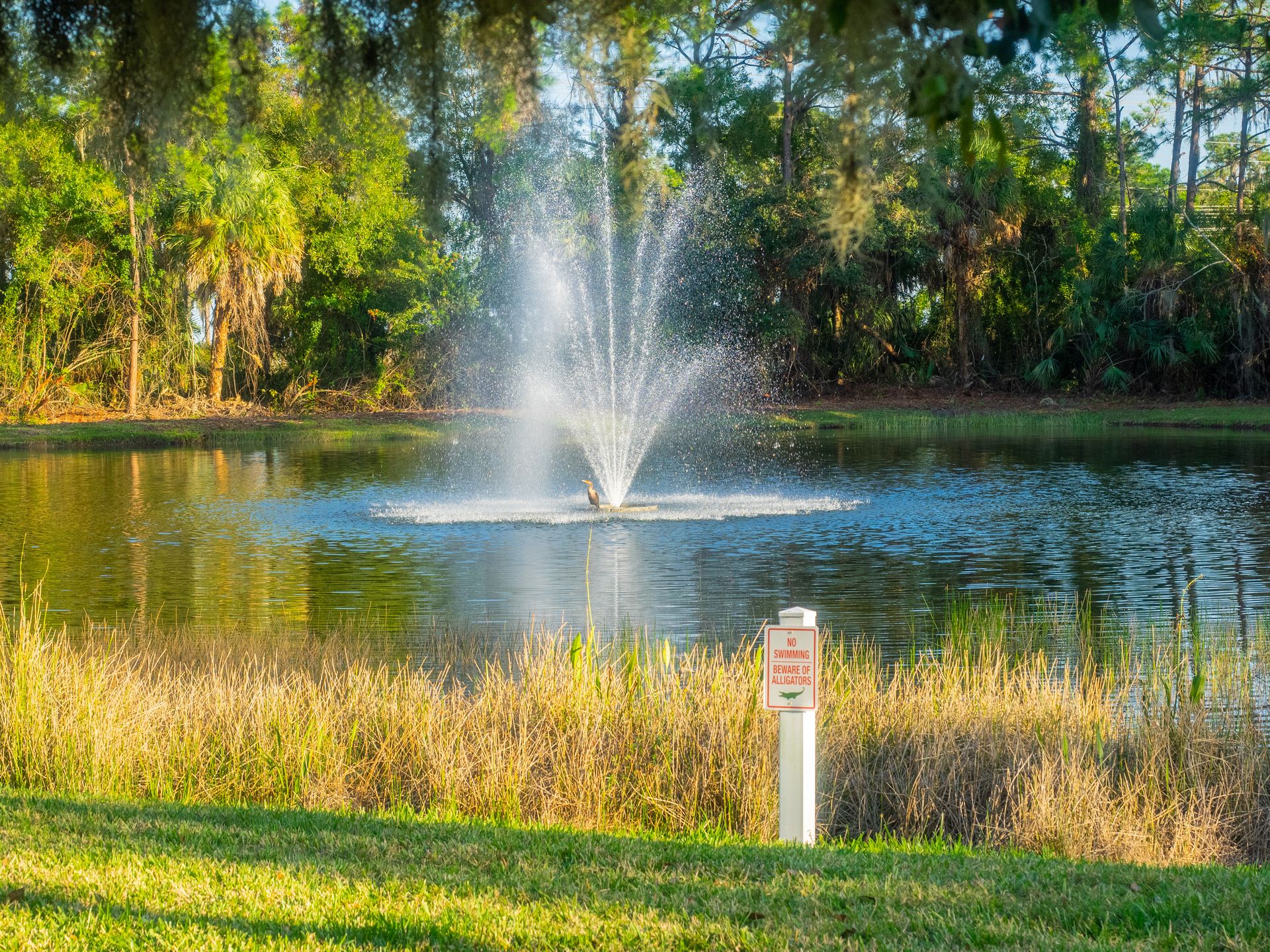
A retention pond, also known as a wet pond or wet detention basin, is a man-made infrastructure element designed to manage stormwater runoff. Unlike a detention pond, which only holds water temporarily after a storm, a retention pond is engineered to maintain a permanent pool of water year-round.
These structures are critical components of urban and suburban drainage systems, acting as a primary Best Management Practice (BMP) for commercial and residential stormwater management.
They collect rainwater runoff from impervious surfaces, such as roads, parking lots, and rooftops, to prevent local drainage systems from becoming overwhelmed. This also allows sediment to be removed from stormwater runoff before discharge to prevent pollution of local ecosystems.
A central component of a Stormwater Pollution Prevention Plan (SWPPP) is the rigorous maintenance of these basins to prevent sediment from discharging into local water systems and to reduce the risk of flooding.
This guide provides a comprehensive overview of retention pond maintenance, covering operational mechanics, regulatory requirements, and the importance of investing in regular inspections for long-term compliance
How Do Retention Ponds Work?
Retention ponds are man-made structures designed to collect excess stormwater during rainfall events. They are constructed as deep ponds that allow a few feet of standing surface water, with sediment collecting in a storage unit at the bottom.
Most are surrounded by steep banks with rocks, vegetation, or riparian plants designed to filter out sediment.
Aside from its primary responsibility of storing rainwater, retention ponds allow for the gradual discharge of rainwater–free of sediment–to protect rivers and streams from excess turbidity.
Benefits of Well-Maintained Retention Ponds
A functional and well-managed retention pond is a high-value asset for property owners, local residents, and construction companies alike. Beyond simple water storage, consistent maintenance unlocks several critical environmental and economic advantages:
- Flood Prevention: Properly maintained retention ponds prevent excess water from entering drainage systems, reducing the likelihood of flooding during heavy rainfall.
- Erosion Control: By controlling the water flow, these ponds prevent erosion along waterways and maintain the stability of nearby soil.
- Improved Water Quality: Regular maintenance provides erosion control and reduces accumulated sediment and pollutants, leading to cleaner and healthier water bodies.
- Wildlife Habitat: Well-maintained ponds provide habitats for various aquatic species, contributing to local biodiversity.
- Aesthetic Value: A properly maintained pond enhances an area’s visual appeal, providing recreational spaces for communities.
Retention Pond Maintenance Best Practices
Effective retention pond management prevents costly structural repairs, mitigates flood risks, and ensures compliance with local environmental regulations. However, regular maintenance is essential to ensure these ponds function properly.
Below are the core pillars of a professional maintenance strategy.
1. Sediment Management and Dredging
Sediment accumulation is the primary cause of reduced storage capacity and total system failure. Without active management, silt builds up over time, effectively “shrinking” the pond and leaving no room for storm runoff, which leads to immediate localized flooding.
- Inlet/Outlet Desilting: Regularly clear sediment from inflow and outflow pipes to prevent clogging, which can cause upstream flooding.
- Forebay Maintenance: If your pond has a sediment forebay, it should be cleaned every 3–5 years to prevent silt from reaching the main basin.
- Bathymetric Surveys: Periodic depth checks help determine when the main basin requires professional dredging—typically when 25% of the original volume is lost.
2. Structural Integrity and Slope Stabilization
The physical boundaries of your pond are under constant pressure from water movement and weather. Maintaining the slopes prevents bank failure and keeps the pond stable, ensuring that the surrounding land remains safe and the water stays clear of excessive turbidity.
- Vegetative Buffers: Maintain a “no-mow” zone (typically 10–15 feet from the water) with deep-rooted native plants to anchor the soil.
- Riprap Inspection: Ensure stones or geotextiles used for stabilization are intact and not displaced by heavy water flow.
- Burrowing Animal Control: Monitor for muskrats or groundhogs, as their tunnels can weaken embankments and lead to structural leaks.
3. Mechanical and Infrastructure Maintenance
Mechanical components serve as the valves of your local watershed. If a weir or riser is damaged or blocked, the pond cannot regulate its release rate. Regular checks ensure that these heavy-duty components function properly during high-stress storm events, preventing catastrophic overflow.
- Orifice and Weir Cleaning: Inspect and clear debris from flow control structures after every major rain event (1 inch or more).
- Valve Exercise: Periodically operate emergency drawdown valves to ensure they are not seized by rust or sediment.
- Anti-Vortex Device Check: Verify that trash racks and anti-vortex devices are securely fastened to prevent structural damage during high-velocity inflows.
4. Vegetation and Aquatic Health Management
A pond is a living ecosystem that requires a careful balance of biological filtration and aesthetic appeal. Managing vegetation ensures the pond can effectively process nutrients like nitrogen and phosphorus, preventing toxic conditions and preserving local biodiversity.
- Invasive Species Removal: Identify and remove aggressive species like Phragmites or cattails, which can choke out native plants and reduce biodiversity.
- Nutrient Loading Control: Avoid using fertilizers near the pond. Excess nitrogen and phosphorus are the primary drivers of toxic algal blooms.
- Integrated Pest Management (IPM): Use biological controls (like triploid grass carp) or EPA-approved aquatic herbicides only as a last resort to manage excessive submerged vegetation.
5. Debris and Pollutant Mitigation
Retention ponds act as the final filter for the community, catching trash and pollutants that wash off the streets before they reach natural rivers. Proactive removal of these materials is essential to prevent chemical contamination and ensure that discharge water meets environmental safety standards.
- Routine Skimming: Remove floating litter, organic debris (leaves/limbs), and floatables that can block discharge structures.
- Hydrocarbon Monitoring: Check for oily sheens on the surface, which indicate upstream spills or heavy automotive runoff.
- Hazardous Material Response: Ensure a protocol is in place for the immediate removal of pollutants to prevent them from entering downstream waterways.
Sample Retention Pond Maintenance Schedule
A proactive maintenance calendar is the most cost-effective way to manage stormwater infrastructure. Following a structured timeline ensures that minor issues, such as a clogged orifice or a small rill in the slope, are caught before they escalate into costly structural failures or regulatory fines.
| Task | Frequency | Purpose |
|---|---|---|
| Visual Inspection | Monthly / After heavy rain | Identify clogs or erosion early. |
| Mowing & Trimming | 2–4 times per year | Maintain slope access and visibility. |
| Debris Removal | Quarterly | Prevent structural blockages. |
| Sediment Removal | Every 5–10 years | Restore original design capacity. |
Signs of Poor Retention Pond Maintenance
Evidence of poor maintenance will soon manifest in several different ways, ranging from aesthetic issues to serious structural failures. These symptoms often indicate a decline in water quality and could lead to downstream pollution, for which property owners may be held liable.
- Frequent or Toxic Algal Blooms: Thick green scum or blue-green algae mats suggest high nutrient loading from fertilizers or pet waste. This can deplete oxygen levels and kill off beneficial aquatic life.
- Overgrowth of Invasive Vegetation: While some plants are good, a pond choked with cattails or Phragmites loses its storage capacity and becomes a breeding ground for mosquitoes and other pests.
- Stagnant Water and Foul Odors: If you notice a rotten egg smell, the water is likely anaerobic. This occurs when organic matter decays in the absence of sufficient oxygen, indicating poor circulation or excessive organic buildup.
- Slow Drainage After Storms: If the water level remains high for more than 72 hours after a rain event, your outflow pipes or orifice plates are likely clogged with debris or sediment.
- Bank Erosion and Scouring: Visible rills or mini-cliffs along the pond’s edge mean the slope is failing. If left unchecked, this can lead to total embankment collapse and costly structural repairs.
- Persistent Murky or Muddy Water: While ponds get cloudy after rain, they should clear up within a few days. Persistent turbidity indicates that the pond is no longer effectively settling suspended solids.
Retention Pond Maintenance Challenges
While proactive management is the most effective way to prevent expensive structural failures, property owners and construction companies often face recurring obstacles. These challenges can quickly escalate if not addressed by a structured maintenance plan.
- Aggressive Invasive Species: Without regular intervention, plants like Phragmites or cattails can dominate the ecosystem, reducing water storage capacity and creating breeding grounds for pests.
- Rapid Sediment Accumulation: Runoff from construction sites or heavy storms can lead to sediment buildup that is difficult to manage without specialized dredging equipment.
- Seasonal Weather Impacts: Every season brings unique stressors—from winter snowmelt and salt loading to autumn foliage clogging outflow pipes and summer heat fueling algal blooms.
- Costly Structural Degradation: Hidden issues, such as internal pipe erosion or embankment instability, often go unnoticed until they require emergency, high-cost repairs.
Hiring a professional team to navigate these challenges is a strategic investment that ensures your facility remains an asset rather than a liability.
DIY Vs. Professional Retention Pond Maintenance
It is natural to seek the most cost-effective solution, but forgoing professional inspections in favor of DIY methods often results in higher long-term costs and potential legal fees. Stormwater systems are complex, and many critical failure points are invisible to the untrained eye.
A professional retention pond inspection will encompass several areas outside of your expertise, including:
- Obstructions to basins and outflows, which require dredging or repair.
- Slope erosion, which requires new vegetation or grading.
- Excessive vegetation, which requires clearing.
- Mechanical functionality, which requires technical expertise.
- Water quality, which requires testing for turbidity and hazardous materials.
For thorough and efficient professional retention pond maintenance and inspection, trust the experts at Valor Environmental. We offer various erosion control services designed to protect local infrastructure and ensure construction projects run smoothly.
Whether you own a residential or commercial retention pond, be sure to give us a call for all of your maintenance and construction needs.
FAQs: Retention Pond Maintenance
How Frequently Should Maintenance Occur?
Maintenance frequency varies based on factors like pond size, location, and surrounding land use. Generally, routine inspections and minor maintenance should occur quarterly, while major activities like dredging may be needed every 5-10 years.
Can I maintain a retention pond myself?
While some tasks can be DIY, professional maintenance ensures comprehensive assessments and compliance with regulations.
Why is biodiversity important in pond ecosystems?
Biodiversity promotes ecosystem health, resilience, and balance, contributing to a thriving pond environment.
How do retention ponds contribute to water management?
Retention ponds collect stormwater runoff, preventing flooding and erosion while improving water quality through sediment settling.
What are the legal consequences of poor pond maintenance?
If a retention pond fails or overflows due to negligence, the property owner can be held liable for downstream property damage and environmental contamination. Furthermore, failing to meet the standards set in your Stormwater Pollution Prevention Plan (SWPPP) can result in significant municipal fines and stop-work orders for active construction sites.
How does sediment buildup affect local water systems?
When a pond is full of sediment, it can no longer filter out pollutants like heavy metals and oils. This untreated runoff flows directly into local streams and rivers, damaging aquatic habitats and degrading the quality of the regional water supply. Regular desilting is the only way to maintain this critical filtration barrier.
What is the difference between a retention pond and a detention pond?
The primary difference is the presence of a permanent pool of water. A retention pond (wet pond) is designed to hold water year-round, using biological processes and settling to treat runoff. A detention pond (dry pond) is designed to stay dry between storm events, acting strictly as a temporary holding area to prevent sudden flooding.