
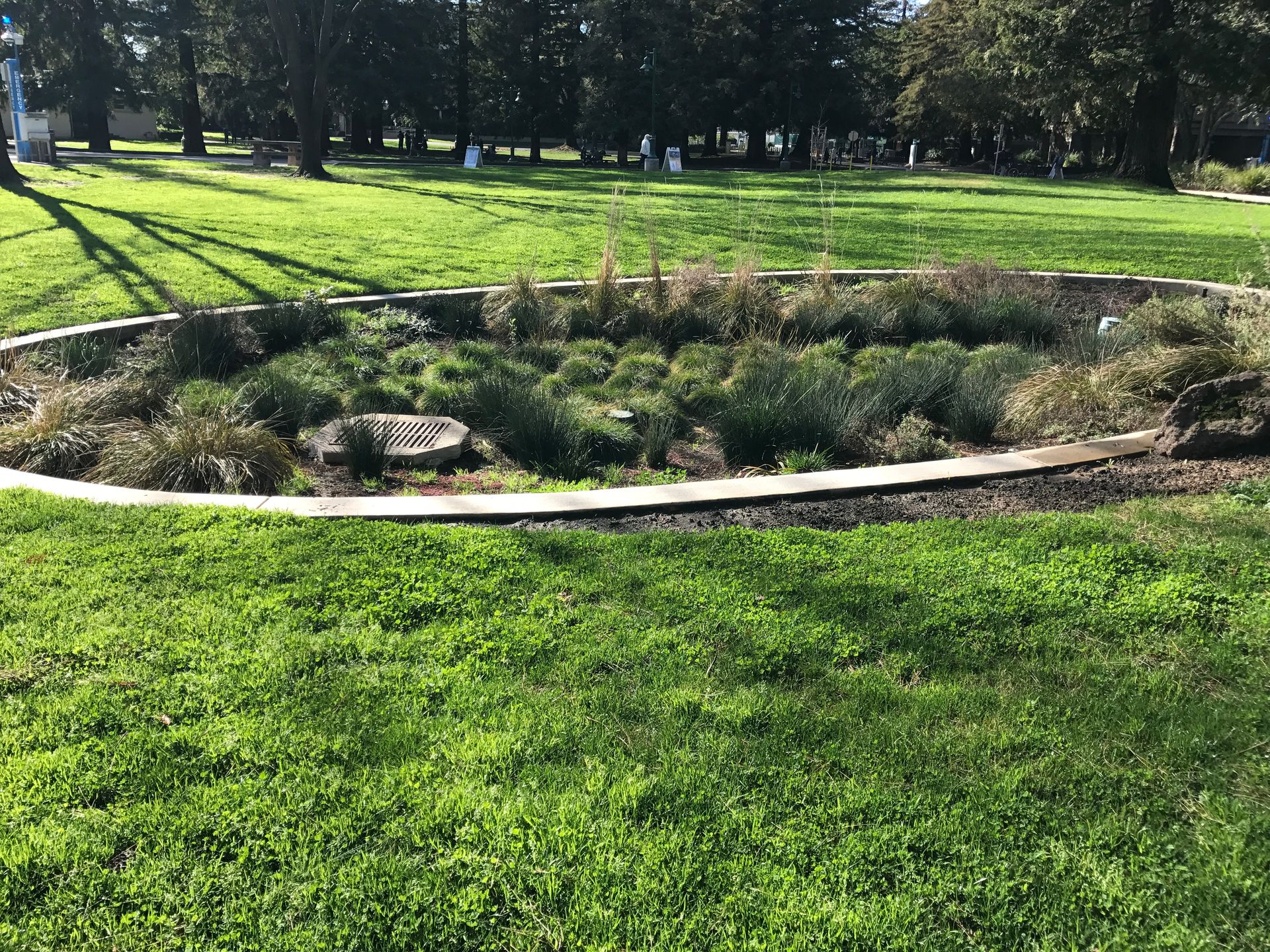
In construction, Best Management Practices (BMPs) are the standardized techniques and structures used to prevent sediment and pollutants from leaving a job site. These controls are required to meet federal NPDES requirements and protect local infrastructure.
Unmanaged runoff from exposed soil can erode up to 100 times faster than natural land, making construction sites a primary source of water pollution. Failing to implement these practices can result in EPA fines exceeding $50,000 per day and immediate project shutdowns.
This guide outlines the nine essential BMPs every site manager should implement, ranging from perimeter controls to specialized washout areas. You will learn how to integrate these tools into your Stormwater Pollution Prevention Plan (SWPPP) to maintain compliance and protect the environment.
What Does BMP Stand for in Erosion Control?
BMP stands for Best Management Practice in erosion control. BMPs are proven techniques and procedures used to prevent or reduce pollutants from entering stormwater systems during construction activities.
Construction BMPs specifically target sediment, debris, chemicals, and other contaminants that can wash off job sites during rainfall. Federal regulations under the Clean Water Act require construction sites disturbing one acre or more to implement BMPs as part of their SWPPP.
These practices fall into two main categories: erosion-control BMPs that prevent soil from moving, and sediment-control BMPs that capture soil particles already in motion.
Understanding both types is critical because construction sites are responsible for approximately 25-50% of sediment pollution in urban waterways, according to EPA studies.
Why BMP Stormwater Management Matters for Erosion and Sediment Control
Without proper BMPs, construction sites discharge sediment that clogs streams, smothers aquatic habitats, and degrades downstream water quality.
Construction stormwater BMPs protect water quality because exposed soil erodes 100 times faster than vegetated land, and they are implemented by combining prevention with containment strategies.
Beyond compliance, effective BMP implementation can:
- Prevents costly project delays from stop-work orders issued by regulatory agencies
- Reduce site cleanup expenses by containing sediment before it spreads
- Protect worker safety by maintaining stable slopes and preventing muddy conditions
- Preserve your company’s reputation with clients and local communities
Construction firms that prioritize stormwater BMPs report fewer regulatory issues and stronger relationships with environmental agencies during permit renewals.
9 Essential Construction Stormwater BMPs for Erosion Control
Implementing the 9 essential construction stormwater BMPs requires a strategic approach that transitions through each stage of the project to maintain total site compliance.
1. Silt Fences for Perimeter Sediment Control
Silt fences are temporary barriers made of geotextile fabric attached to wooden or metal posts. They filter sediment from stormwater runoff while allowing water to pass through slowly.
Silt fences work best for sheet flow conditions and slope lengths under 100 feet. They’re ineffective in concentrated flow channels where velocities exceed their filtering capacity. Pair them with upstream erosion control for maximum effectiveness.
Follow these silt fence installation best practices for effective sediment control:
- Place silt fences along contour lines at the base of slopes
- Trench fabric 6-8 inches into the ground to prevent underflow
- Space posts no more than 6 feet apart for stability
- Inspect weekly and after every rainfall event exceeding 0.5 inches
2. Sediment Basins for Larger Drainage Areas
Sediment basins are temporary pond-like structures that capture and settle out sediment before releasing cleaner water downstream. They’re required on construction sites with drainage areas exceeding 10 acres in most jurisdictions.
Key design elements include:
- Size basins to hold runoff from a 2-year, 24-hour storm event minimum
- Include an emergency spillway to prevent overtopping
- Install outlet structures with baffles or perforated risers to release clarified water slowly
- Maintain at least 3-5 feet of depth for adequate settling time
Remove accumulated sediment when it reaches 50% of the basin’s storage volume. Most basins require cleanout every 2-4 weeks during active construction, depending on soil disturbance and rainfall patterns.
The EPA estimates properly maintained sediment basins remove 70-90% of suspended solids from construction runoff.
3. Stabilized Construction Entrances to Prevent Tracking
Stabilized entrances are rock or concrete pads placed at all vehicle exit points from construction sites. They prevent mud and sediment from being tracked onto public roads. Best practices for stabilizing entrances include:
- Use 3-6 inch diameter crushed aggregate rock
- Maintain minimum dimensions of 30 feet long by 12 feet wide
- Place a geotextile fabric over the soil to prevent mixing with the underlying soil
- Ensure the pad is at least 6 inches thick
Supplement with street sweeping when visible sediment appears on adjacent roads. Some municipalities require daily sweeping regardless of conditions during periods of heavy earthmoving.
Track-out represents one of the most visible BMP failures and frequently triggers citizen complaints to environmental agencies.
4. Erosion Control Blankets for Slope Stabilization
Erosion control blankets (ECBs) are biodegradable or synthetic mats placed over exposed soil to prevent erosion while vegetation establishes. They’re essential for slopes steeper than 3:1 (horizontal: vertical).
When selecting a product, choose a material that matches your slope gradient and flow velocity:
- Straw/coconut fiber blankets: Best for slopes up to 2:1 and low-flow channels.
- Synthetic mesh blankets: Required for slopes steeper than 2:1 and high-velocity channels.
- Turf reinforcement mats: Permanent solutions for critical drainage areas.
Install blankets with the manufacturer’s recommended overlap (typically 2-4 inches) and secure with staples every 12-18 inches. Always anchor the upslope edge in a 6-inch deep trench to prevent undercutting.
5. Temporary and Permanent Seeding Programs
Seeding establishes vegetative cover that protects soil from raindrop impact and binds particles with root systems. It’s the most cost-effective long-term erosion control method.
Successful implementation requires following a strict timeline based on your project phase:
- Apply temporary seeding within 7 days on any area that won’t be disturbed for 21+ days.
- Use quick-germinating annual species like annual ryegrass or winter wheat.
- Apply permanent seeding on final grades with perennial species suited to the local climate.
- Incorporate seed into soil 0.25-0.5 inches deep for optimal germination.
Seeding success requires proper seedbed preparation, correct seeding rates (typically 100-200 lbs/acre for temporary cover), and adequate moisture. Apply 2 tons of mulch per acre over seeded areas to retain moisture and prevent seed displacement.
Most permits require 70% vegetative cover within 90 days of seeding for compliance.
6. Check Dams for Channel Velocity Reduction
Check dams are small temporary barriers placed in drainage ditches and channels to reduce flow velocity and promote sediment settling. They prevent channel erosion and downstream sediment transport.
Follow these installation guidelines to ensure the dams function as intended without causing bank erosion:
- Space check dams so the crest of each is level with the toe of the upstream dam.
- Use rock (6-8 inch diameter), sandbags, or compost materials.
- Create a center notch 6-12 inches lower than the sides to concentrate low flows.
- Extend sides into channel banks to prevent flanking.
Monitor check dams after every significant rainfall. Remove accumulated sediment when it reaches the notch elevation to maintain effectiveness. Replace or repair dams showing structural damage immediately.
Check dams reduce flow velocity by 50-80% and can capture 60-75% of transported sediment in properly designed systems.
7. Inlet Protection Devices
Inlet protection devices prevent sediment from entering storm drain systems at catch basins and drop inlets. They’re required at all active storm drain inlets within or downslope of construction areas.
Contractors typically use one of three common device types depending on the site layout:
- Block and gravel filters: Rock-filled wire mesh boxes placed around inlets.
- Fabric drop inlet filters: Geotextile bags that fit inside or over inlet openings.
- Excavated sediment traps: Small ponds dug around inlets before the final grate is installed.
Each device type is best suited to specific conditions.
Block and gravel filters handle higher flow rates but require more space. Fabric filters work in confined areas but need frequent replacement. Inspect inlet protection daily during active earthwork and after all rainfall events.
Remove accumulated sediment when it reaches 50% of storage capacity—typically every 1-2 weeks during heavy construction.
8. Dust Control Through Water and Chemical Application
Dust control prevents wind erosion and improves air quality on construction sites. Airborne sediment that settles on paved surfaces becomes a water quality problem during subsequent rainfall.
Maintain site stability and air quality by using these effective dust control methods:
- Water exposed areas with truck-mounted sprayers 2-3 times daily during dry, windy conditions.
- Apply calcium chloride or other dust suppressants at 0.25-0.5 gallons per square yard.
- Limit vehicle speeds to 15 mph on unpaved surfaces.
- Cover stockpiles with tarps or apply tackifiers during extended storage periods.
Time watering to occur just before peak wind periods (typically midday through afternoon). Avoid over-watering, which creates runoff and transports sediment off-site.
9. Concrete Washout Areas
Concrete washout areas are designated locations where concrete trucks can rinse chutes and drums without contaminating stormwater. Fresh concrete has a pH above 12 and severely damages aquatic life when it enters waterways.
Properly contain high-alkaline wastewater by adhering to these setup requirements:
- Locate washouts at least 50 feet from storm drains, ditches, and waterways.
- Excavate a pit or use prefabricated containment systems sized for anticipated volumes.
- Post clear signage identifying the washout location.
- Line excavated pits with plastic sheeting extending 1-2 feet above grade.
Train all concrete contractors on washout locations before work begins. Coordinate the removal of hardened concrete with waste haulers when pits reach 75% capacity.
Never allow concrete rinse water to discharge to storm drains or leave the construction site. EPA enforcement actions frequently cite improper concrete management as a significant violation during construction inspections.
How to Develop an Effective BMP Stormwater Plan
An effective BMP plan works because it matches specific control measures to your site’s unique conditions, and you create it by analyzing drainage patterns, soil types, construction sequencing, and regulatory requirements.
Start with a thorough site assessment, identifying:
- Topography and drainage patterns: Map all flow paths, steep slopes, and concentration points where runoff accumulates. These high-risk areas need the most robust BMPs.
- Soil characteristics: Conduct soil tests to determine erosion potential. Sandy soils require different BMPs than heavy clays. The USDA soil erodibility factor (K-factor) guides BMP selection.
- Proximity to sensitive areas: Identify streams, wetlands, drinking water supplies, and endangered species habitats within 300 feet of the site. These areas trigger additional requirements and more stringent BMPs.
- Construction phasing: Match BMP installation timing to earth-moving activities. Install perimeter controls before any grading begins. Stabilize completed areas before moving to new work zones.
Document all BMP decisions in your SWPPP with site maps showing all drainage patterns, written installation specifications, and clear protocols for record-keeping.
Every plan must include a rigorous maintenance framework that assigns specific responsible parties to a fixed inspection schedule. Regulatory agencies review these documents for technical detail, so a plan that lacks clear maintenance triggers or repair timelines will likely result in permit delays or inspection violations.
BMP Erosion Control Implementation Timeline
Construction BMP implementation follows a strict sequence because early installations prevent the most significant impacts, and you execute it by matching control measures to project phases.
Pre-Construction Phase (Before Any Ground Disturbance)
Establishing a strong perimeter before the first shovel hits the ground is the most effective way to prevent off-site sediment migration.
- Install perimeter controls first: Use silt fences along downslope boundaries and stabilize all construction entrances.
- Protect existing infrastructure: Place protection devices on storm drains and excavate sediment basins if required by your permit.
- Define clearing limits: Mark boundaries with highly visible fencing to prohibit equipment operation in sensitive areas and preserve natural vegetation.
Active Construction Phase
As the site evolves, your BMP strategy must shift to active stabilization and progressive management of exposed soil.
- Stage earthwork: Limit exposed soil to manageable blocks, typically never exceeding 10–20 acres at a time.
- Implement temporary cover: Apply seeding within 7 days to paused work areas, and deploy erosion control blankets on finished slopes immediately after grading.
- Manage flow velocity: Place check dams in newly created channels before the first rainfall event to slow water.
- Monitor weather forecasts: Accelerate stabilization efforts when significant storms are predicted within 48–72 hours, especially if more than 0.5 inches of rain is expected.
Final Stabilization Phase
The goal of the final phase is to transition from temporary structural controls to permanent, self-sustaining vegetative solutions.
- Establish permanent cover: Apply seeding with perennial species suited for long-term stability and complete all final landscaping.
- Finalize drainage: Convert temporary diversions into permanent structures and finish all grading per the approved plans.
- Remove temporary BMPs: Only decommission temporary controls once you have achieved 70% uniform vegetative cover across the site.
Effective stormwater management and erosion control rely on the strategic implementation of these essential BMPs throughout the entire project lifecycle.
By prioritizing perimeter defense during pre-construction, adapting to weather and soil conditions during active work, and ensuring 70% vegetative cover for final stabilization, site managers can maintain compliance and protect local water quality.
Following a structured SWPPP not only prevents costly EPA fines but also ensures that your project remains efficient and environmentally responsible from start to finish.
FAQs
What does BMP mean in construction and erosion control?
BMP stands for Best Management Practice. In construction, BMPs are proven techniques and procedures used to prevent pollutants like sediment, chemicals, and debris from entering stormwater systems during building activities.
How often do construction BMPs need inspection?
Construction BMPs require inspection at least weekly and within 24 hours after any rainfall event exceeding 0.5 inches. Sites with active grading or near sensitive waterways may need more frequent inspections per permit requirements.
What’s the difference between erosion control and sediment control BMPs?
Erosion control BMPs prevent soil from moving in the first place through measures like seeding, blankets, and mulching. Sediment control BMPs capture soil particles already in motion using silt fences, basins, and inlet protection. Effective programs use both types together.
When should silt fences be replaced on construction sites?
Replace silt fences when fabric tears, posts fail, or accumulated sediment reaches one-third the fence height. Most silt fences need repair or replacement every 4-8 weeks during active construction, depending on soil disturbance and rainfall amounts.
Do small construction projects under 1 acre need stormwater BMPs?
Projects under 1 acre generally don’t require NPDES permits, but may still need BMPs under local ordinances. If your small project is part of a larger development exceeding 1 acre total, you’ll need permit coverage and full BMP implementation regardless of your individual lot size.
How long do construction stormwater BMPs need to stay in place?
Temporary BMPs stay in place until final stabilization is achieved—typically when 70% uniform perennial vegetation is established across all disturbed areas. This usually takes 60-90 days after seeding, depending on the growing season and weather conditions.
What happens if construction BMPs fail during a storm?
Immediately implement repairs and corrective measures within 24 hours or before the next rainfall event. Document the failure, response actions, and preventive measures added. Report significant sediment discharges to regulatory agencies per permit requirements to avoid additional penalties.
Can I use the same BMP plan for different construction sites?
No. Each site needs a specific SWPPP and BMP plan addressing its unique topography, soils, drainage patterns, and proximity to waterways. Template plans that don’t reflect actual site conditions violate permit requirements and prove ineffective during implementation.
What’s the most cost-effective construction stormwater BMP?
Preserving existing vegetation and minimizing disturbed acreage provides the best cost-to-benefit ratio. After that, early installation of perimeter controls, like silt fences, prevents problems before they start. Reactive measures after failures always cost more than proactive prevention.
How do weather forecasts affect BMP requirements?
Many permits require enhanced BMPs when significant storms (0.5+ inches) are forecast within 48-72 hours. Accelerate temporary stabilization on exposed areas, reinforce existing BMPs, and ensure all controls are functioning properly before storms arrive. Post-storm inspections are always mandatory.