Erosion and Sediment Control: Beginner’s Guide

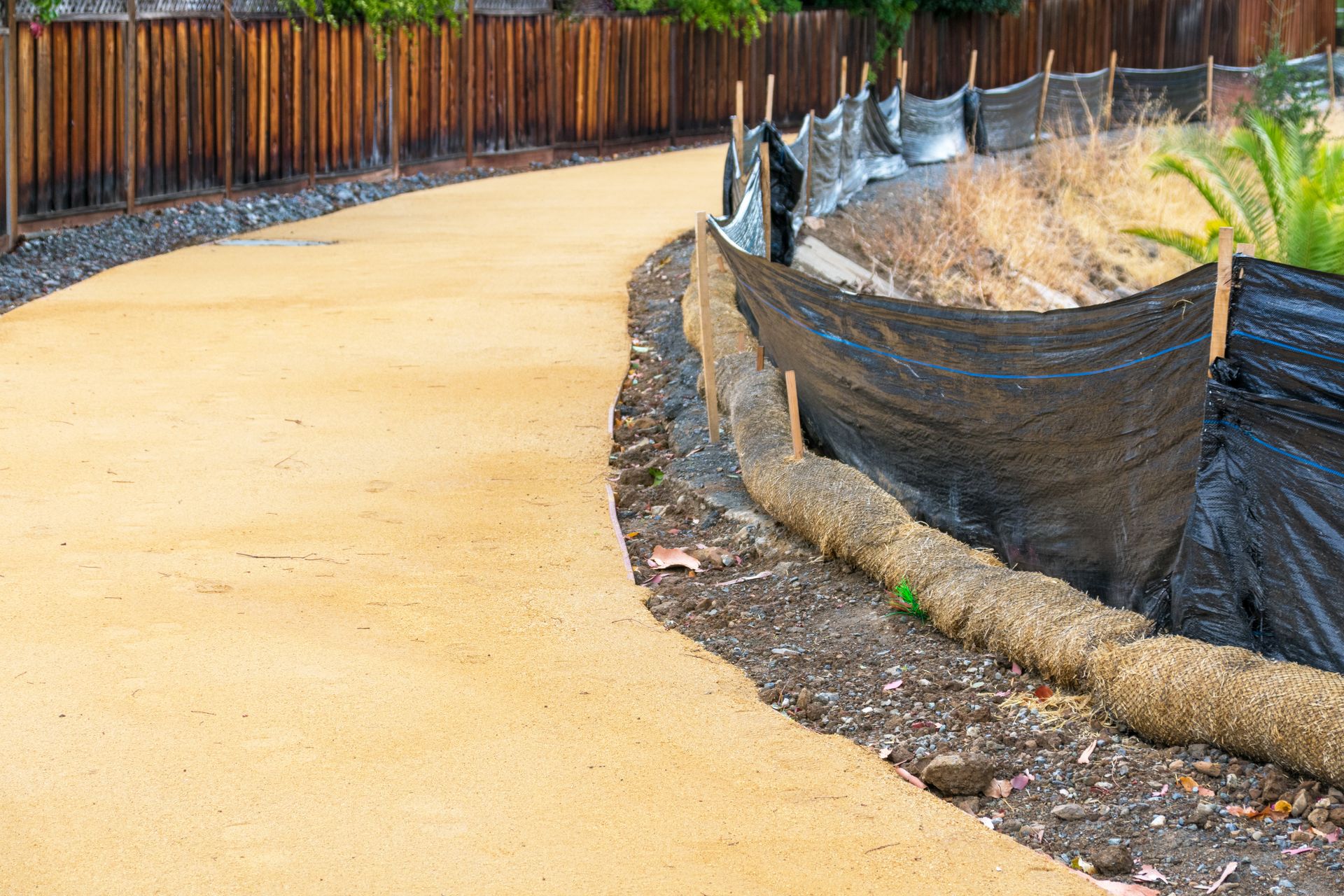
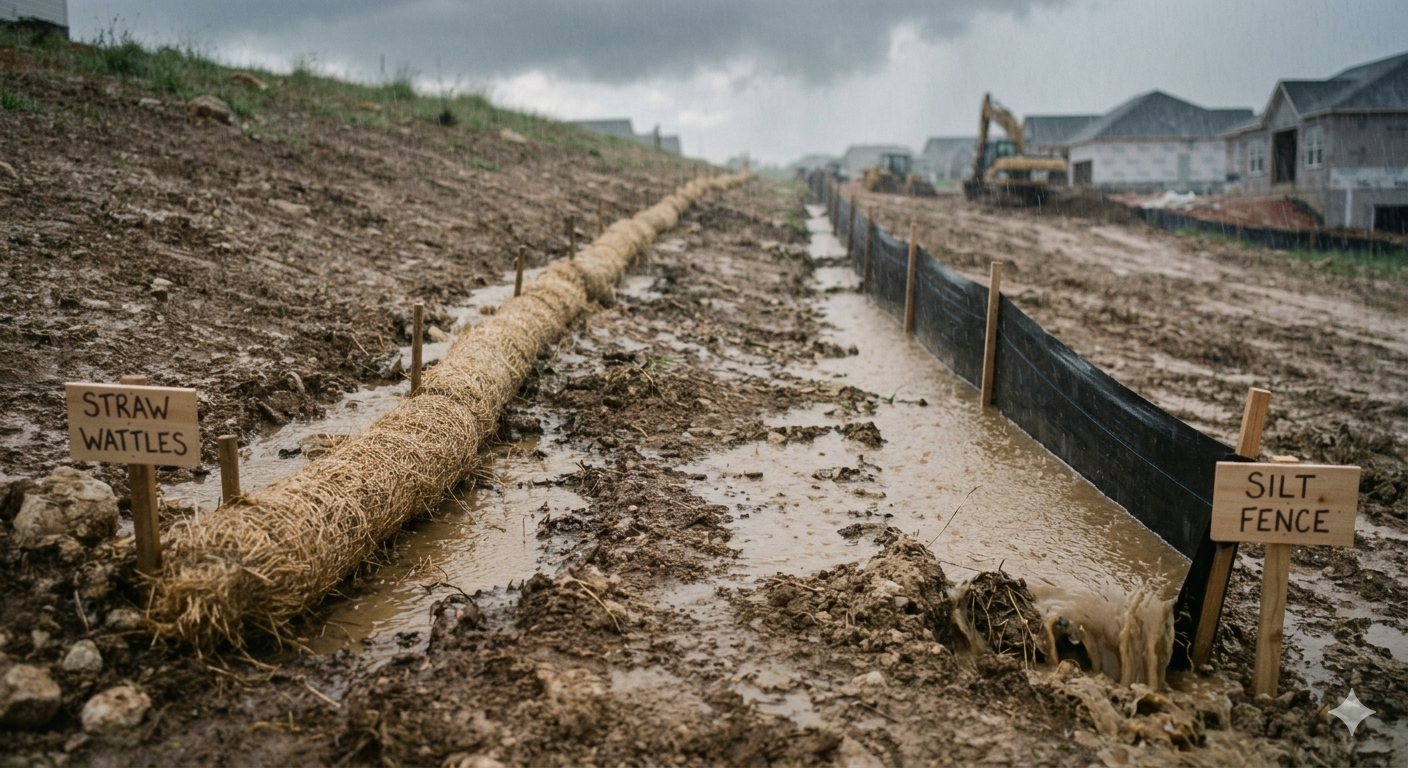
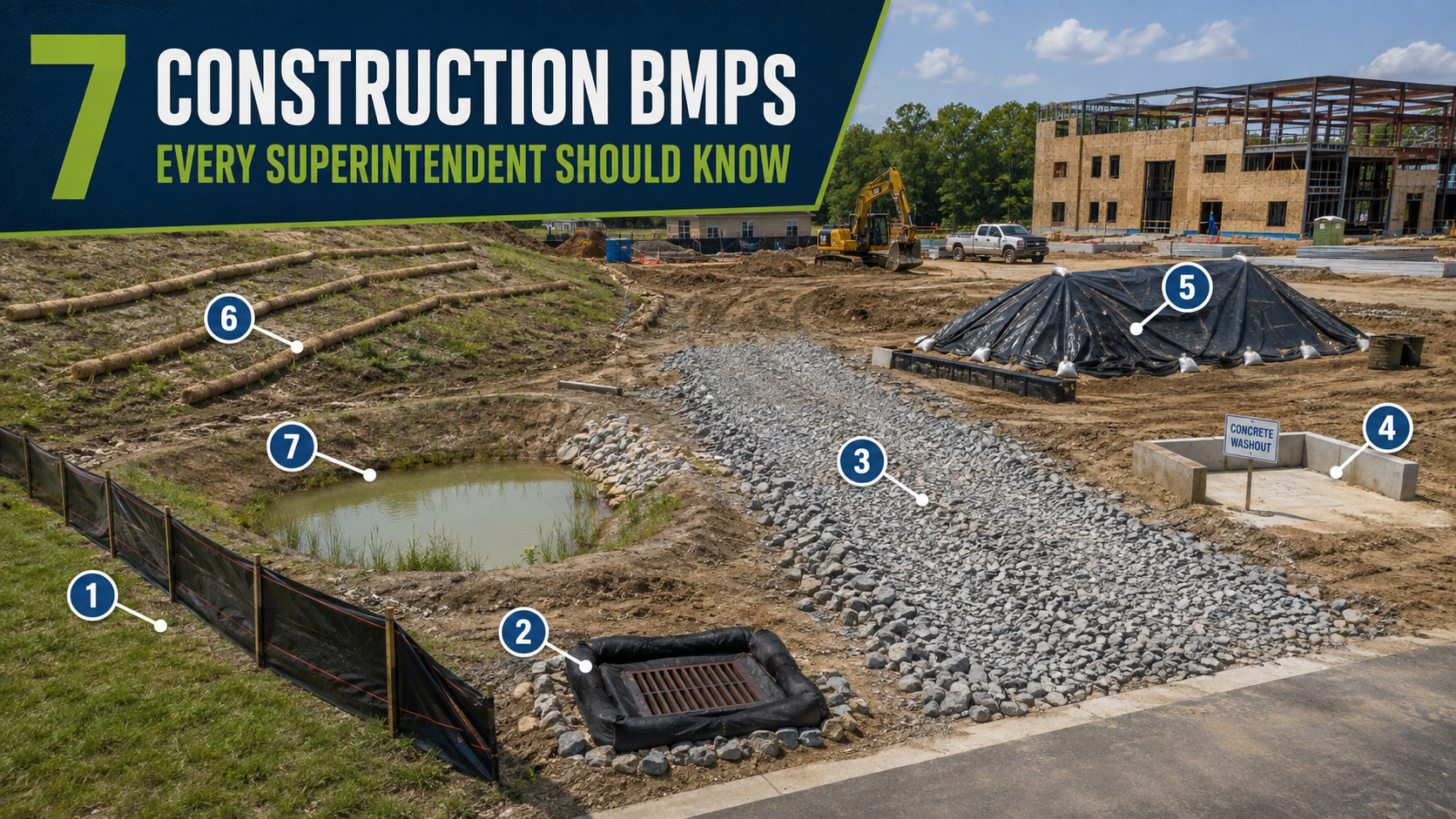
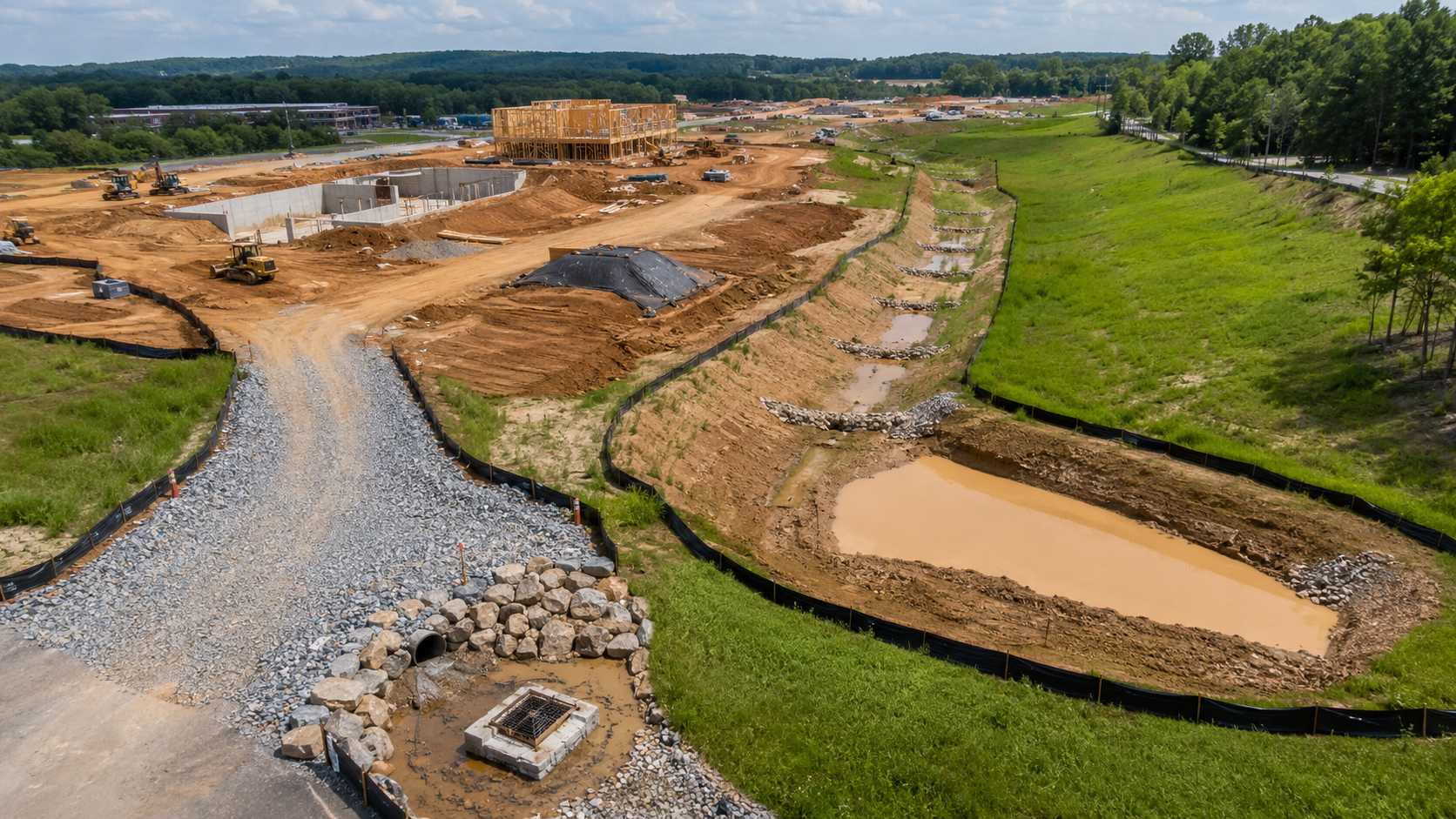
Erosion and sediment control reduce the effects of land disturbance and control stormwater runoff to prevent erosion, pollution, and flooding.

Most regulatory authorities require erosion and sediment controls on active construction sites when runoff is discharged into public conveyances.

Under federal permitting guidelines, worksites must manage drainage, slopes, stabilization timelines, inspection schedules, and runoff discharge points under your Stormwater Pollution Prevention Plan (SWPPP).…

read more

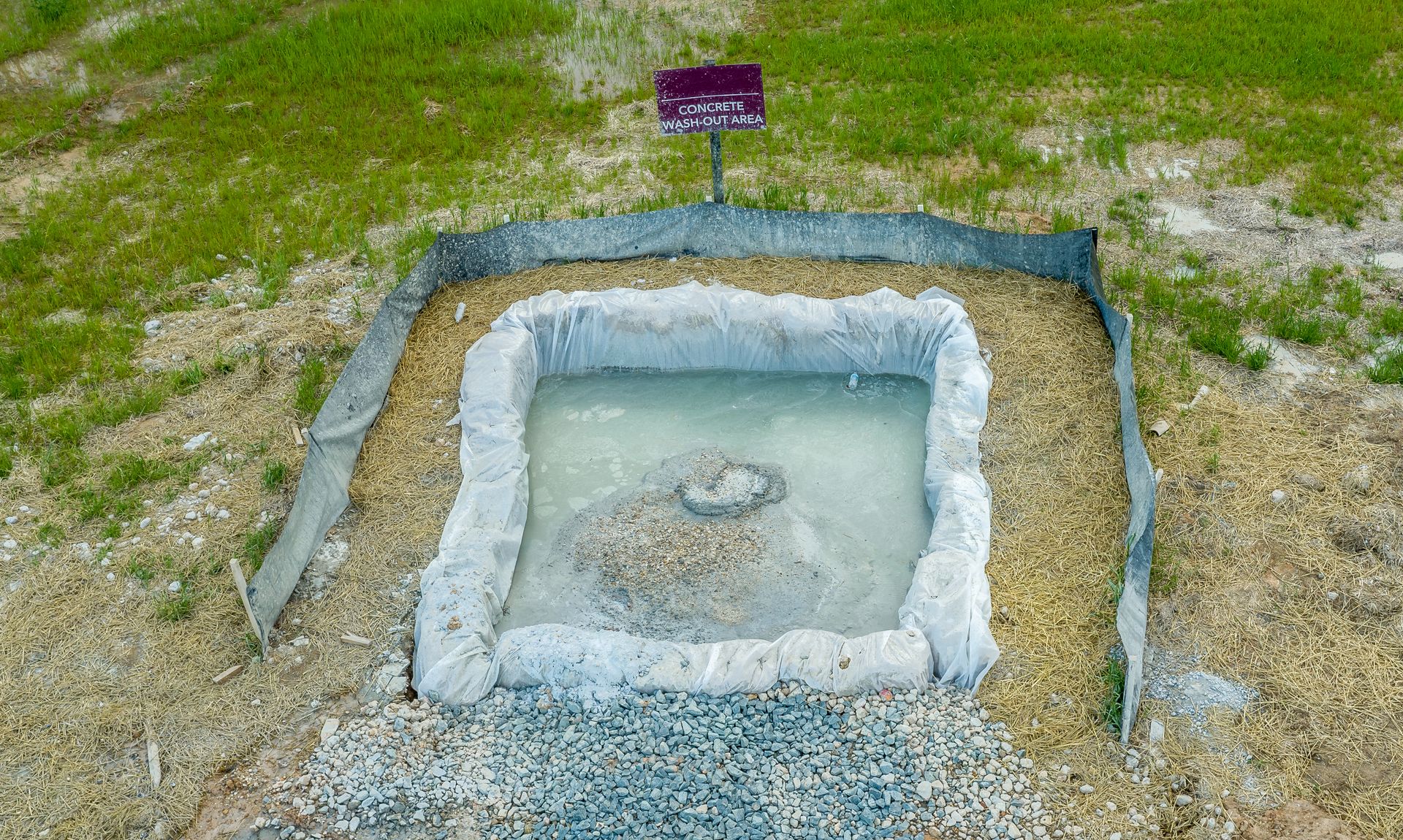
Commercial Erosion Control Plans: Why They Matter

Commercial erosion control is a regulatory requirement for construction permitting that is typically part of a wider Stormwater Pollution Prevention Plan (SWPPP).

Any construction activity that exposes soil creates the potential for sediment to leave the site. Once sediment enters a storm drain, creek, or municipal system, it becomes a compliance issue under your NPDES permit and local regulations.…

read more

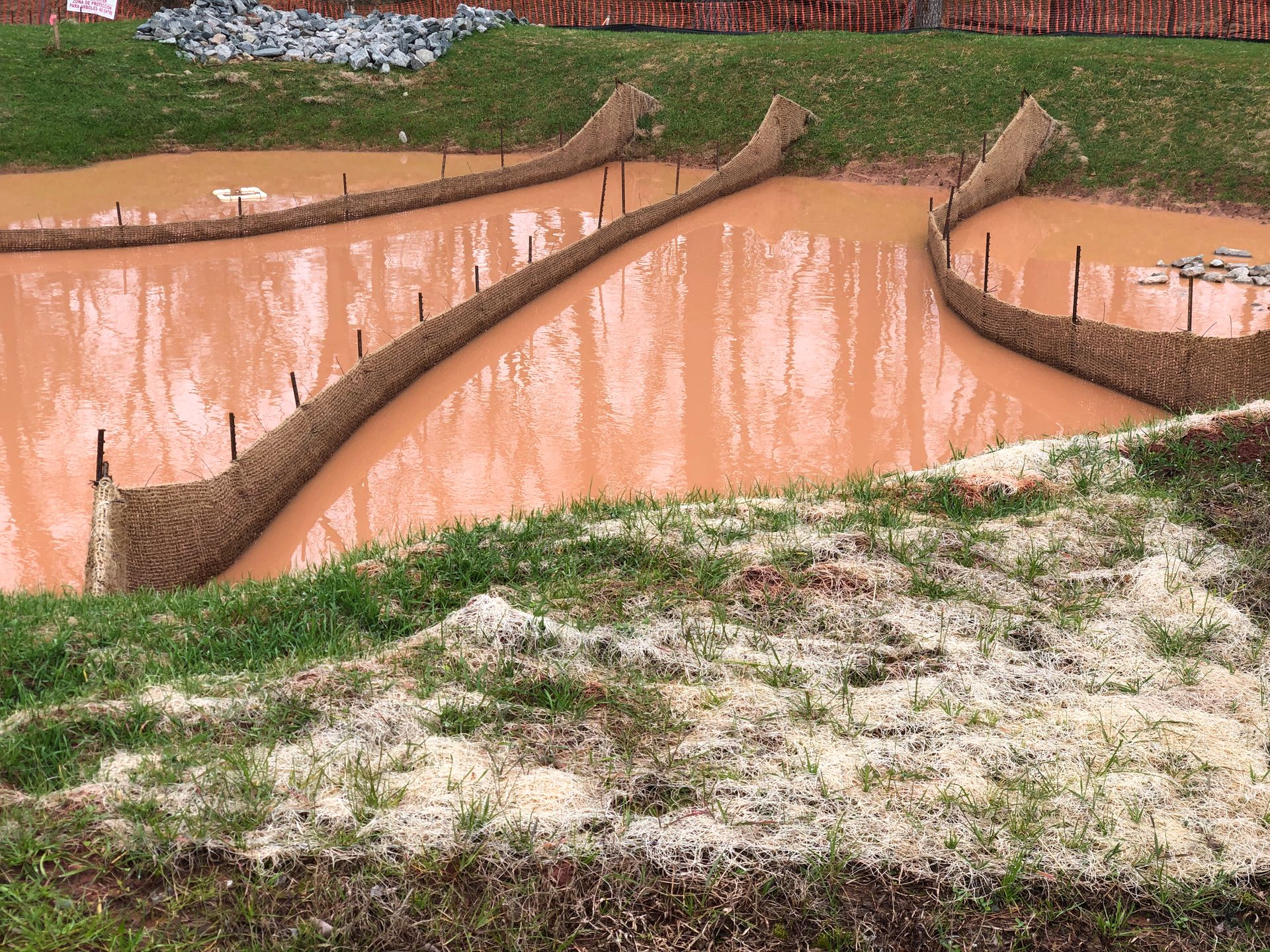
Sediment Trap vs. Sediment Basin: What’s the Difference?

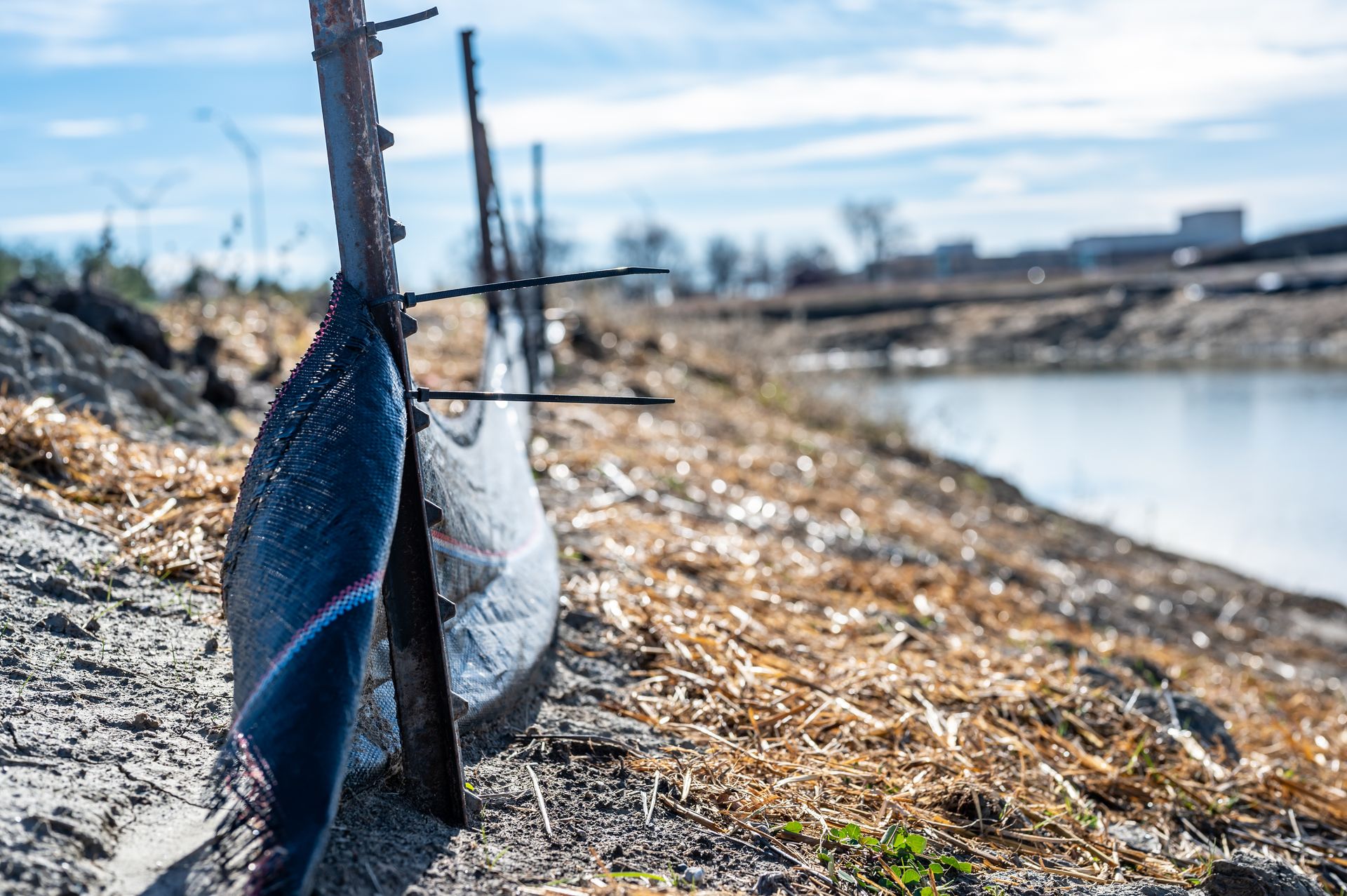
Sediment control is one of the most critical aspects of stormwater management on active construction sites. When soil is disturbed, erosion accelerates, and sediment-laden runoff can quickly overwhelm nearby waterways, storm drains, and downstream infrastructure by increasing turbidity.

To control this risk, construction projects rely on sediment control measures designed to slow water, capture soil, and reduce pollutant discharge.…

read more

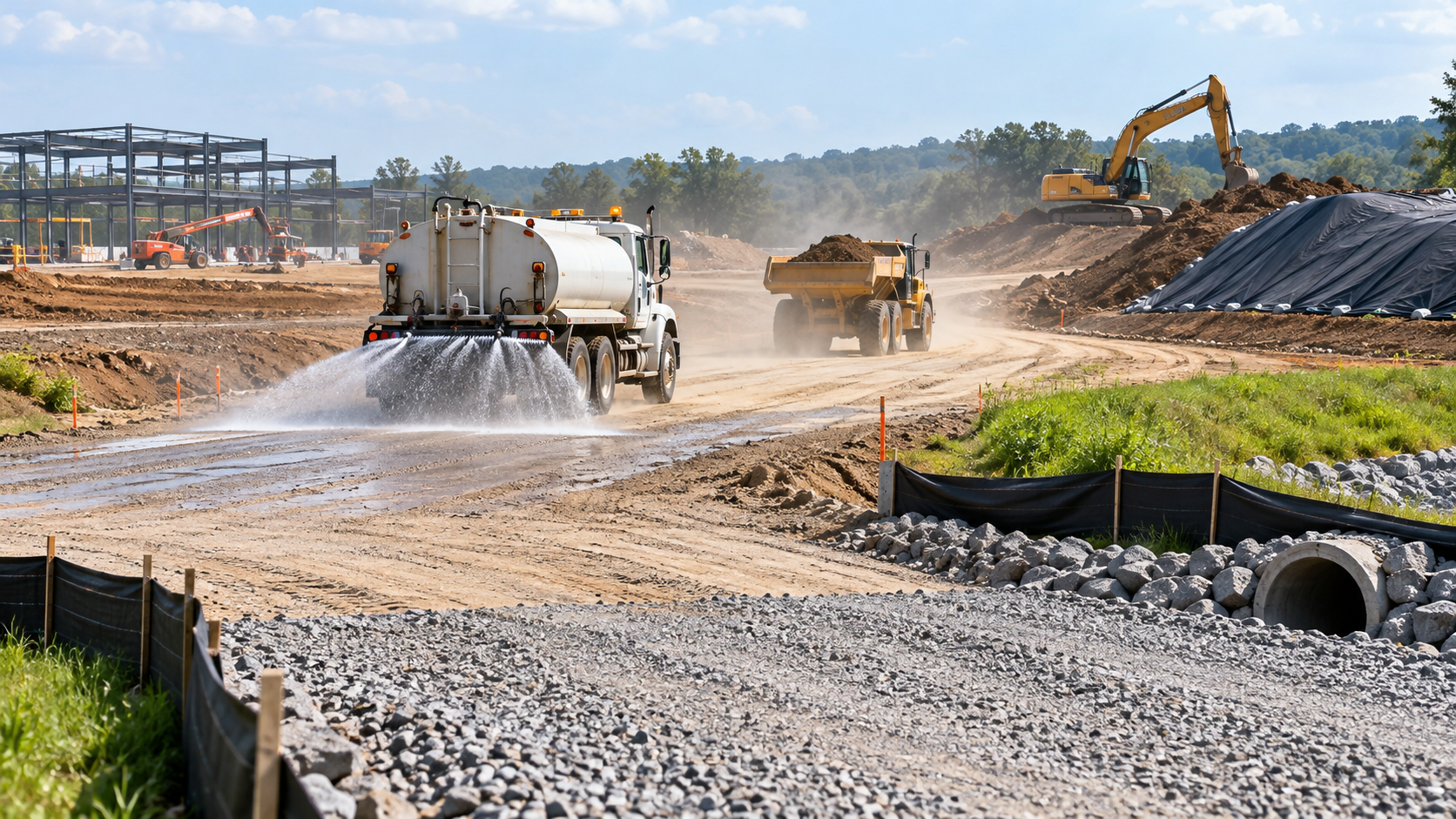
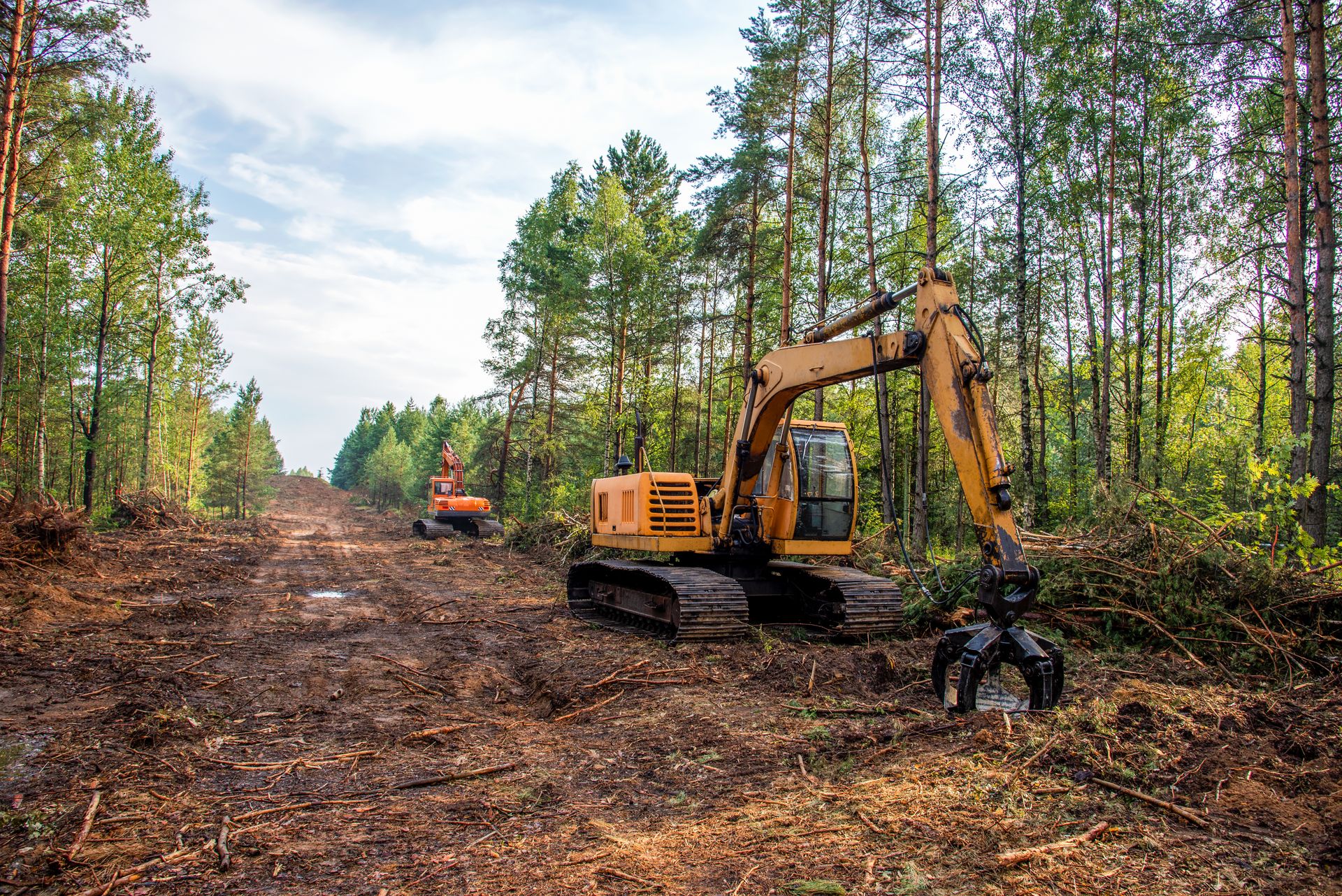
The Essentials of Construction Sitework for New Projects

Construction site work lays the physical and logistical groundwork for everything that follows, and mistakes at this stage can lead to costly delays, structural issues, and regulatory problems down the line.

Whether you’re preparing land for a residential development, commercial building, or industrial facility, understanding the essentials of construction sitework helps ensure your project starts on solid ground—literally and figuratively.…

read more

The Role of Vegetative Buffers in Stormwater Pollution Prevention

Stormwater is one of the leading causes of water pollution in the United States. Excessive rain can flow over soil and hard surfaces, collecting contaminants, sediment, and debris that can run off into local forests and waterways.

For this reason, active workzones and many commercial and industrial facilities are required to put best management practices (BMPs) in place to reduce runoff, soil erosion, and sedimentation.…

read more