
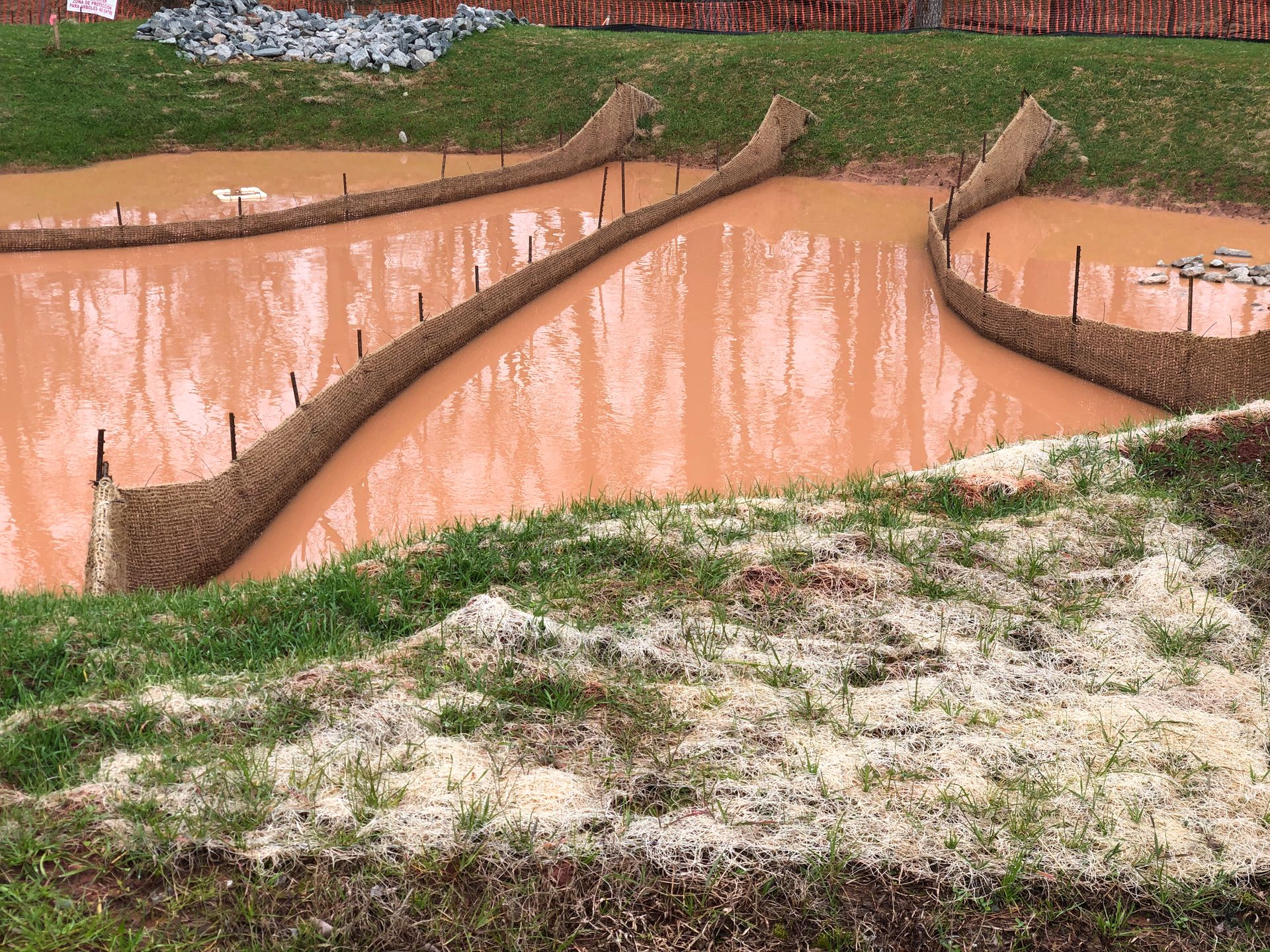
To prevent soil erosion on a construction site, combine temporary ground cover controls, such as erosion control blankets and silt fences, with permanent stabilization measures like hydroseeding and vegetative cover.
These techniques keep the soil intact, preventing loose sedimentation, while also filtering any sediment particles before they are discharged from the site.
Erosion control best management practices (BMPs) are an essential component of a stormwater pollution prevention plan (SWPPP), which is required to obtain NPDES permitting before ground can be broken.
Uncontrolled runoff and displaced soil not only damage local ecosystems, but they also leave projects vulnerable to costly regulatory penalties and NPDES permit violations. Maintaining effective soil stabilization protects nearby waterways and preserves ground integrity for long-term structural safety.
In this guide, you’ll learn ten proven methods to control erosion on your job site so you can maintain regulatory compliance and community goodwill.
The Importance of Soil Stabilization During Active Construction
Soil stabilization is a critical construction practice that secures loose earth, prevents erosion, ensures structural load capacity, and protects local watersheds from sediment pollution.
Stabilizing the ground before and during construction preserves topsoil integrity, protects building foundations from settlement issues, and maintains regulatory compliance.
- Preventing Soil Erosion: Holds topsoil in place against wind and rain, protecting surrounding vegetation, soil health, and nearby ecosystems.
- Ensuring Structural Stability: Firmly anchors the ground to prevent foundation cracks, ground settlement, and structural failures in buildings or infrastructure.
- Mitigating Sedimentation Runoff: Traps dislodged soil before stormwater carries it into local water bodies, safeguarding aquatic habitats and maintaining water quality.
Beyond environmental protection and foundation integrity, effective soil stabilization minimizes costly project delays caused by mud, slope failures, and regulatory site shutdowns.
Implementing proactive stabilization measures upfront ultimately saves time and resources while keeping your job site compliant with local and federal environmental standards.
10 Proven Methods for Soil Stabilization During Construction
To effectively stabilize soil on an active construction site, project managers rely on a set of erosion and sediment control BMPs to trap runoff, anchor earth, and maintain regulatory compliance.
1. Erosion Control Blankets
Installing erosion control blankets, also known as matting, helps prevent soil erosion by providing a protective cover. These blankets are typically made of natural or synthetic materials and are anchored to the soil surface to mimic the effects of vegetative cover.
2. Sediment Basins
Constructing sediment basins on construction sites allows sediment-laden water to settle, reducing the amount of sediment entering nearby water bodies. This method lets crews treat water before discharge and dispose of dislodged sediments appropriately.
3. Silt Fences
Silt fences are commonly installed on slopes. They are made of metal posts and geotextile fabric that traps sediment and filters water as it passes through. These fences are also commonly used along the perimeters of construction sites to control sediment runoff.
4. Vegetative Cover
Establishing and maintaining vegetative cover, such as grass or cover crops, helps stabilize the soil. Plant roots bind the soil particles, reducing erosion and providing a natural barrier against sediment runoff.
5. Hydroseeding
Hydroseeding uses a slurry mixed with seeds, mulch, and other additives that are applied onto the soil surface. This promotes rapid vegetation growth (often faster than mulch), enhancing soil stability and preventing erosion.
Schedule My SWPPP Consultation Today
6. Soil Binders
Soil binders, including organic or synthetic polymers, can be applied to the soil to improve its cohesion and stability. These binders create a protective layer that minimizes erosion and sediment runoff.
7. Terracing
Terracing involves creating flat areas on sloping terrain to reduce water runoff and prevent soil erosion. This method is particularly effective on hilly construction sites.
8. Slope Drains
Slope drains consisting of downspouts allow sites to redirect stormwater discharge down slopes without exposing surfaces to rushing water.
9. Check Dams
Check dams are temporary structures built across water channels to slow down water flow, reducing its erosive potential. These dams help control sediment transport and prevent downstream sedimentation.
10. Riprap and Slope Protection
Installing riprap, such as heavy, durable stones placed along steep banks, channel slopes, and pipe outlets, protects vulnerable soil from being scoured away by high-velocity water flows. The benefits of riprap include:
- Energy Dissipation: Absorbs and breaks the momentum of concentrated stormwater runoff at high-impact areas like culvert outfalls and channel bends.
- Bank Stabilization: Heavy interlocking rocks anchor steep banks, preventing soil sloughing and stream bed erosion under high flow conditions.
- Permeable Protection: Allows groundwater to seep through naturally while keeping the underlying soil securely in place.
Placing riprap at critical drainage points ensures your site’s hydro-infrastructure withstands heavy rainfall without washing out surrounding terrain.
Stabilizing soil not only limits the environmental impact of earthworks projects, but also simplifies cleanup and saves projects tens of thousands of dollars in post-construction stabilization.
Partnering with a specialized erosion control contractor during the pre-construction phase lets you calculate flow velocities, select the right stone grading, and integrate permanent slope stabilization seamlessly into your Stormwater Pollution Prevention Plan (SWPPP) to prevent costly site liability.
FAQs
Why is soil stabilization important during construction?
Soil stabilization is essential during construction to prevent soil erosion, ensure structural stability, and reduce sedimentation, protecting the environment and minimizing impacts on water bodies.
How do erosion control blankets work?
Erosion control blankets provide a protective cover on the soil surface to prevent erosion. They are typically made of materials that allow water to penetrate while trapping soil particles.
What is the purpose of sediment basins on construction sites?
Sediment basins capture sediment-laden water, allowing sediment to settle before the water is discharged. This helps control sediment runoff from construction sites.
How do soil binders improve soil stability?
Soil binders, whether organic or synthetic, enhance the cohesion of soil particles, reducing erosion. They create a protective layer that helps stabilize the soil during construction.
What is the difference between erosion control and soil stabilization?
Erosion control focuses on preventing soil from being detached and washed away by wind or rain using surface protection (like erosion control blankets or mulching). Soil stabilization refers to modifying the physical or chemical properties of the soil to increase its shear strength, load-bearing capacity, and resistance to displacement.
What are the consequences of failing to control soil erosion on a construction site?
Failing to control soil erosion can cause severe structural issues like slope failures and foundation settlement, leading to costly project delays. Environmentally, uncontrolled runoff pollutes local water bodies with sediment, triggering severe financial penalties, stop-work orders, and legal liabilities under federal Clean Water Act NPDES permit regulations.