
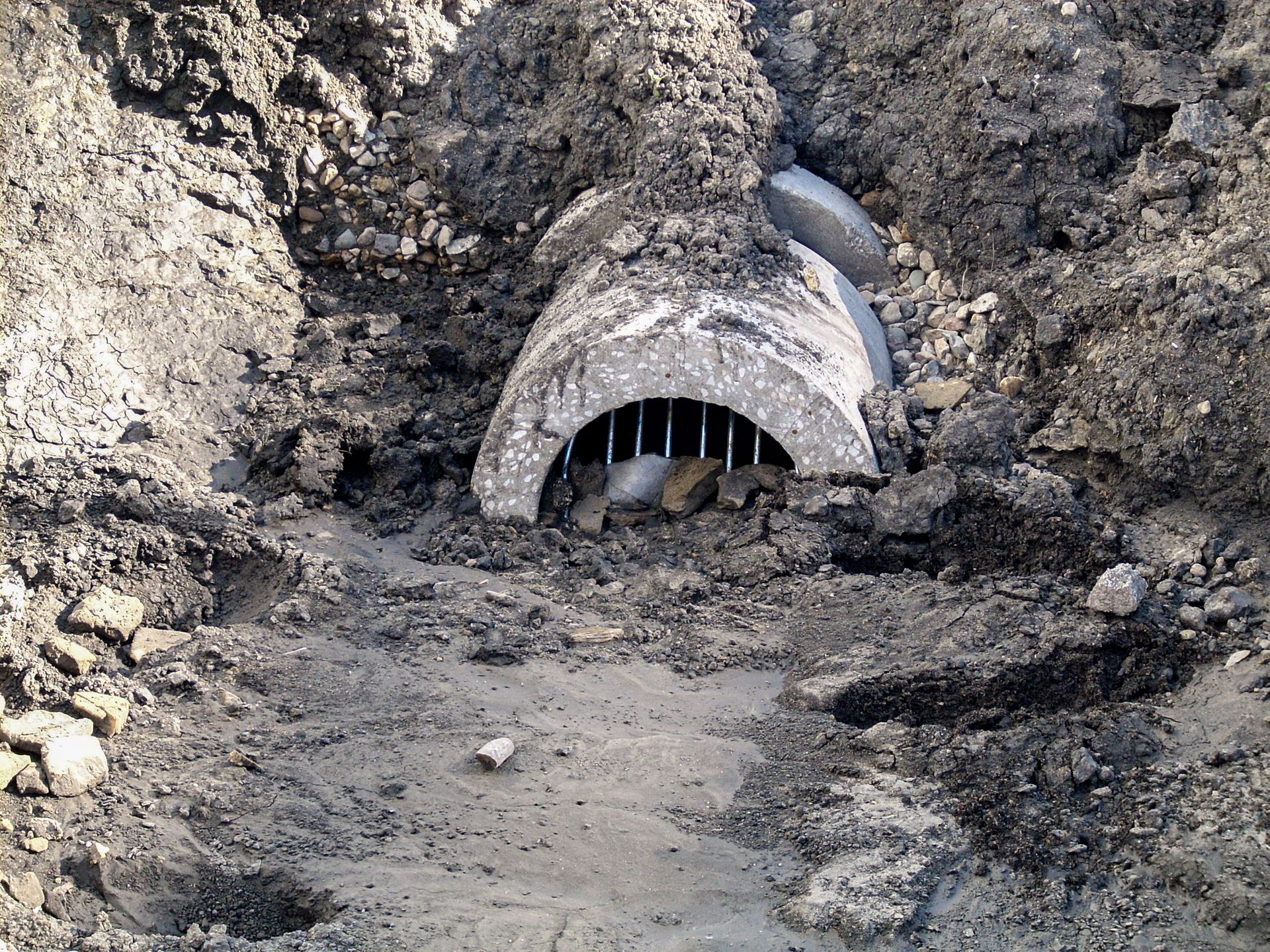
Erosion and sediment control reduce the effects of land disturbance and control stormwater runoff to prevent erosion, pollution, and flooding.
Most regulatory authorities require erosion and sediment controls on active construction sites when runoff is discharged into public conveyances.
Under federal permitting guidelines, worksites must manage drainage, slopes, stabilization timelines, inspection schedules, and runoff discharge points under your Stormwater Pollution Prevention Plan (SWPPP).
Any project that disturbs soil creates the risk of sediment transport. Once sediment leaves the site through stormwater runoff, it becomes a compliance issue under local regulations and NPDES permit coverage.
This guide explains the difference between erosion control and sediment control, outlines essential Best Management Practices (BMPs), and shows how to integrate both into a compliant SWPPP.
What Is Erosion Control?
Erosion control is the active preservation of topsoil to prevent erosion, which can lead to sedimentation.
Erosion control is considered the first priority of erosion and sediment control because it reduces the likelihood of sediment being discharged from loose soil. Over time, repeated erosion can dislodge the top layer of soil or sediment, which, when mixed with water, can lead to pollution through turbidity.
It is a legally required part of any SWPPP plan and is considered necessary for environmental protection.
- Protects water systems from pollution
- Preserves natural vegetation and native landscapes.
- Makes revitalizing disturbed soil easier.
- Many erosion barriers reduce the risk of flooding by controlling the flow of stormwater runoff.
- Protects local infrastructure as much as surrounding water systems.
Some of the more common examples of erosion control include:
- Silt fences
- Erosion control blankets or matting
- Wattles
- Ripraps
- Natural vegetation and mulch
What Is Sediment Control?
Sediment control is an extension of erosion control that seeks to reduce the spread of sediment particles once dislodged from the topsoil.
Natural and artificial barriers and screens are erected to filter out and trap sediment particles so they can be reapplied to the dirt or disposed of properly.
Some examples of sediment control include:
- Silt fences
- Storm drain inlet barriers
- Sediment or retention basins
- Riparian Barriers
What’s the Difference Between Erosion and Sediment Control?
Erosion and sediment control are often used interchangeably, though they serve two different purposes. Erosion control is designed to prevent topsoil from dislodging sediment particles, while sediment control seeks to trap and control sediment particles once dislodged.
Many erosion and sediment controls often serve the same dual purpose of eliminating erosion and sedimentation, such as silt fences and wattles.
Creating an Erosion and Sediment Control Plan: 15 BMPs
To construct a proper SWPPP, you’ll need to combine the best practices of both erosion and sediment control into a single document.
We’ve laid out a few essential best practices for erosion and sediment control that you can follow step by step to draft your SWPPP.
Pre-Planning
- List all construction-related activities: Outline all potential construction-related activities and how they will disturb the surrounding landscape. Examples will include site grading, excavation, and land clearing.
- Perform a site assessment: Identify all water sources, potential sources of pollution, site-related activities, slope grades, and any sensitive areas where topsoil is vulnerable.
- Identify BMPs: List the BMPs and materials needed to purchase to properly implement erosion and sediment controls.
General BMPs
- Grade slopes properly: Begin your project by grading slopes to reduce the velocity of stormwater runoff. While this requires more upfront work, this step will protect you from potential flooding, reduce the number of controls you’ll need to preserve slopes, and prevent sedimentation of vulnerable areas.
- Preserve natural vegetation: Preserve and restore natural vegetation throughout your project to support additional erosion. Hydroseeding or mulch is particularly helpful for regenerating grass and other plants that support your efforts.
- Divert stormwater runoff (when possible): Silt fences, downpipes, and wattles are useful controls that can help divert and control the velocity of stormwater runoff to protect vulnerable areas. Use these tools to slow down runoff and divert it around slopes where topsoil is vulnerable.
- Erect slope barriers and covers: Where diversion is impossible, erosion control barriers may be erected. Silt fences, wattles, and erosion control mats are highly useful tools that help slow stormwater flow while preserving the topsoil underneath.
- Protect water beds: Erect another line of defense around river beds and streams to protect those water sources from pollution and your worksite from flooding. Ripraps (rock barriers), riparian (vegetation barriers), and sea walls composed of geotextile bags or concrete are highly effective barriers that slow the flow of stormwater runoff.
- Erect barriers around storm drains: Protect storm drains from loose sediment with filter fabric and filter socks that allow water to flow through and trap heavy particles.
- Construct a sediment retention basin (Optional): Retention ponds or sediment basins resemble man-made ponds and are designed to store water at the bottom of a slope to allow for sediment filtration to occur. There are several advantages and disadvantages to sediment basins, which is why we list them as optional.
Ongoing Maintenance
- Create an emergency spill response plan: Put in place a plan to respond to spills or accidents that may threaten the surrounding ecosystem. Make sure to create a special team with someone who is in charge of the plan if such a thing should ever occur.
- Employee training: Ensure BMPs are followed to the fullest letter of the law by constantly training and educating employees on proper procedures. This includes everything from equipment inspection to proper item storage.
- Subcontractor buy-in: Don’t limit buy-in to your employees alone; ensure subcontractors are properly trained on all necessary BMPs.
- Routine inspection: Your erosion and sediment control plan doesn’t end at the first draft of your SWPPP; continue to perform inspections and make adjustments based on new data points and weather surveys.
- Record keeping: Be sure to record all data points of your SWPPP for regulatory and reporting purposes.
Core Components of an Erosion and Sediment Control Plan
A compliant SWPPP integrates erosion and sediment control into one coordinated system.
An effective plan includes the following details to ensure BMPs are properly installed and housekeeping procedures are followed:
- Site maps showing the limits of site disturbance
- Drainage flow paths
- Sequencing requirements
- Stabilization timelines
- BMP installation details
- Inspection schedules
- Documentation procedures
BMP failures or compliance issues typically occur due to improper installation, lack of maintenance, or missed stabilization deadlines.
Long-Term Impact of Proper Erosion and Sediment Control
When stormwater controls are installed correctly, maintained consistently, and sequenced properly, the project experiences measurable operational and financial benefits.
The decisions made during grading, stabilization, and runoff management directly affect the long-term stability of the site and the contractor’s regulatory standing.
For example, projects that prioritize stabilization early experience fewer washouts, fewer emergency repairs, and fewer compliance issues. Slopes remain intact, drainage systems function as designed, and post-construction landscaping establishes faster because topsoil has been preserved.
From a compliance standpoint, consistent erosion and sediment control performance builds credibility with inspectors and municipalities. Contractors known for maintaining clean, stabilized sites are less likely to face escalated enforcement actions during routine inspections.
Erosion and sediment control is ultimately about risk management. When erosion prevention and sediment containment are treated as operational priorities instead of afterthoughts, projects move forward with fewer interruptions and lower regulatory exposure.
FAQs
What are the leading causes of erosion?
Erosion is caused by factors such as heavy rainfall, strong winds, construction activities, deforestation, and improper land use.
How does sedimentation impact water quality?
Sedimentation can degrade water quality by depositing soil and debris in water bodies, affecting aquatic ecosystems and human use of water resources.
Why is site-specific assessment necessary for erosion and sediment control?
A site-specific assessment helps identify erosion-prone areas, soil types, and sediment sources, enabling the implementation of tailored control measures for effective environmental protection.
How quickly must disturbed soil be stabilized?
Most permits require stabilization within 7 to 14 days if work ceases. Always follow the timeline specified in your SWPPP.
Who is responsible for compliance?
The permit holder or site operator is ultimately responsible, even if subcontractors perform the work.
Can sediment controls replace erosion controls?
No. Sediment controls are secondary containment. Stabilizing soil to prevent erosion is always the primary requirement.