
Municipal Separate Storm Sewer Systems (MS4s) operating under National Pollutant Discharge Elimination System (NPDES) permits are legally required to develop, implement, and enforce a comprehensive Stormwater Management Program (SWMP).
To comply with Clean Water Act regulations, an MS4 must reduce pollutant discharges to the “maximum extent practicable” (MEP) by fully addressing six mandatory minimum control measures (MCMs):
- Public education
- Public involvement
- Illicit discharge detection and elimination (IDDE)
- Construction site runoff control
- Post-construction stormwater management
- Municipal good housekeeping
This regulatory framework affects approximately 7,250 permitted MS4 systems nationwide.
Under modern EPA guidelines, compliance is strictly enforced: as of December 21, 2025, all MS4 annual reports must be submitted electronically, and failure to meet permit conditions can result in civil penalties reaching up to $25,000 per day per violation under the Clean Water Act.
Furthermore, if an MS4 discharges into an impaired waterbody, it must adopt even more stringent protocols to meet specific Total Maximum Daily Load (TMDL) waste load allocations.
This guide breaks down the technical details of the six minimum control measures, the operational hurdles of IDDE tracking, and the step-by-step requirements for developing an audit-ready Stormwater Management Program that protects both your municipality and local watersheds.
Speak with an Environmental Consultant Today
What Is an MS4?
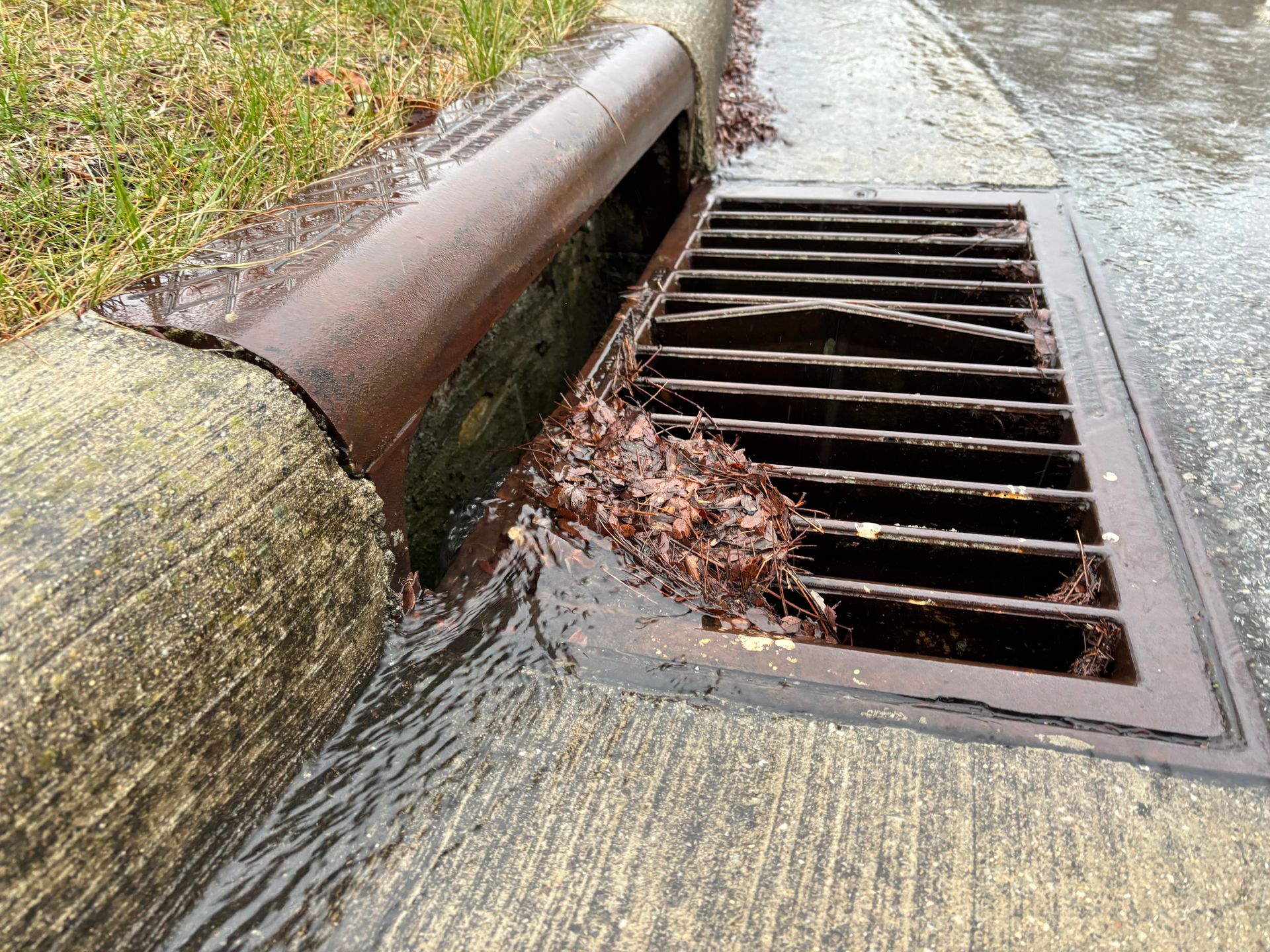
A Municipal Separate Storm Sewer System (MS4) is a collection of stormwater structures, such as street gutters, ditches, catch basins, and storm drains, owned by the city or county that catches rain and melted snow and channels it directly into local rivers, lakes, or oceans.
One important distinction of an MS4 is that stormwater conveyed by an MS4 never passes through a wastewater treatment plant before discharging to surface waters.
MS4 operators are required to obtain NPDES permits under Section 402(p) of the Clean Water Act, which was first established by the 1987 amendments.
The NPDES MS4 permitting program is administered either by EPA directly or by NPDES-authorized state agencies, and it imposes specific stormwater management obligations on permittees based on the size and type of the MS4 system.
MS4 stormwater requirements serve five primary regulatory and environmental functions:
- Pollutant Reduction: Physically reducing the discharge of sediment, nutrients, metals, pathogens, and other stormwater pollutants into receiving waters through structural and non-structural controls.
- Maximum Extent Practicable (MEP) Standard: Meeting the MS4 permit standard, which, unlike technology-based or water quality-based industrial limits, requires municipalities to implement practices to the maximum extent practicable, a standard that accounts for technical feasibility, cost, and the public nature of MS4 operations.
- Water Quality Protection: Protecting the beneficial uses of receiving waterbodies from the cumulative pollutant loading generated by urban stormwater runoff.
- Illicit Discharge Control: Identifying and eliminating non-stormwater flows entering the storm drain system, which represent a significant source of concentrated pollutants in many urban areas.
- Regulatory Compliance: Fulfilling the legally enforceable obligations of an NPDES MS4 permit, which carries the force of the Clean Water Act and exposes non-compliant operators to enforcement actions and civil penalties.
Phase I and Phase II: How MS4 Permitting Is Structured
The MS4 permitting program is divided into two phases established by separate EPA rulemakings, each governing a different category of MS4 operator.
Understanding which phase applies to a given system determines the permit structure, application process, and specific program requirements.
Speak with an Environmental Consultant Today
Phase I MS4s: Large and Medium Systems
EPA promulgated Phase I of the NPDES stormwater program in 1990, requiring NPDES permit coverage for stormwater discharges from medium and large MS4s generally serving populations of 100,000 or more.
Phase I permittees are subject to individual NPDES permits, which are site-specific, comprehensive documents tailored to the characteristics of the specific system, watershed, and receiving water quality conditions.
Phase I permit applications require the submission of a detailed permit application, including facility information, a characterization of the MS4 drainage area, an assessment of water quality impacts, and a description of existing management programs.
Phase I permittees must typically reapply at least 180 days before their current permit expires.
Phase II MS4s: Small Systems in Urbanized Areas
In 1999, EPA promulgated the Phase II Rule, expanding NPDES stormwater coverage to small MS4s located within Census Bureau-designated urbanized areas with populations of at least 50,000.
Small MS4s outside urbanized areas may also be designated by the NPDES permitting authority if discharges from the system could have significant water-quality impacts.
Phase II permittees operate under general permits that apply to entire categories of small MS4s rather than individual facility-specific permits.
To obtain coverage, a Phase II MS4 submits a Notice of Intent (NOI) to the permitting authority committing to develop and implement a Stormwater Management Program (SWMP) consistent with the general permit’s requirements.
The Phase II Remand Rule, effective January 9, 2017, requires Phase II general permits to include clear, specific, and measurable permit terms rather than broad programmatic commitments.
Small MS4s serving populations below 10,000 may request a waiver of permit coverage from EPA or the state NPDES authority if they meet specific criteria related to low-pollutant-impact discharge conditions.
Speak with an Environmental Consultant Today
The Six Minimum Control Measures
The core of Phase II MS4 stormwater compliance, codified at 40 CFR 122.34(b), is the requirement to develop and implement a SWMP that addresses six minimum control measures (MCMs).
These MCMs represent the fundamental programmatic building blocks of an MS4 stormwater program. Phase I MS4s must address equivalent requirements under their individual permits, though the specific conditions vary by permit.
MCM 1: Public Education and Outreach
To comply with this measure, MS4 permittees must distribute educational content targeting specific local pollution issues like pet waste, fertilizers, and vehicle fluids.
Under the Phase II Remand Rule, these outreach efforts cannot just be passive; they must include clear, measurable goals to track how effectively they shift community behavior.
MCM 2: Public Participation and Involvement
This component requires operators to give the public a voice by hosting open meetings, welcoming feedback on ordinances, and making annual reports easily accessible online.
By actively encouraging residents to report suspected illicit dumping, the municipality effectively turns the community into an early-detection network for pollution violations.
MCM 3: Illicit Discharge Detection and Elimination (IDDE)
As one of the most operationally demanding measures, IDDE requires a complete map of the storm sewer system and a local ordinance banning illegal dumping.
Code enforcement and trained staff must perform dry-weather field screenings at outfalls to trace and eliminate unpermitted flows, though common non-stormwater sources like AC condensation and water line flushing are generally exempt.
MCM 4: Construction Site Stormwater Runoff Control
MS4 operators act as local regulators by enforcing ordinances that require construction sites disturbing one or more acres to implement erosion controls, such as silt fences and sediment basins.
The municipality is responsible for reviewing site plans, addressing public complaints, and issuing penalties for non-compliance, working in tandem with state-level construction permits.
MCM 5: Post-Construction Stormwater Management
While construction controls are temporary, this measure focuses on permanent, long-term stormwater management for new developments and redevelopments disturbing one or more acres.
Permittees must enforce design standards that prioritize on-site water retention and infiltration, which control both the high volume of runoff and the pollutant loads from completed projects.
MCM 6: Pollution Prevention and Good Housekeeping
This measure ensures that the municipality maintains its operations to high environmental standards.
It requires strict upkeep schedules for municipal maintenance yards, fleet fueling areas, street sweeping, and catch-basin cleanouts, all supported by documented employee training programs that cover proper material handling and spill prevention.
Speak with an Environmental Consultant Today
Stormwater Management Program (SWMP) Development
The SWMP is the central compliance document for MS4 permittees, describing how the operator will implement each of the six minimum control measures throughout the permit term.
Under the Phase II Remand Rule, the SWMP must be publicly available, and many state programs require it to be posted on the municipality’s website within 30 days of NOI or Notice of Coverage approval.
A technically complete SWMP includes the following components:
- Organizational Structure: Identify responsible staff for each MCM, including backup contacts and a clear delineation of program management responsibilities within the municipal government.
- Measurable Goals: Establish specific, measurable objectives for each MCM that allow the permitting authority to evaluate program implementation against defined benchmarks over the permit term.
- BMP Descriptions: Document the specific best management practices to be implemented for each MCM, including structural and non-structural controls, operational procedures, and programmatic activities.
- Legal Authority Documentation: Confirm through ordinance citations or legal counsel certification that the MS4 has adequate legal authority to implement all required SWMP components, including enforcement authority.
- System Mapping: Maintain a map of the MS4 drainage area showing outfall locations, receiving waters, and, where available, the extent of the storm sewer pipe network, and update it as system knowledge improves.
- Implementation Schedule: Document the timeline for achieving MCM milestones and measurable goals over the permit term, with quarterly or annual targets appropriate to each element’s complexity.
MS4 Annual Reporting Requirements
Phase II MS4 permittees must submit annual reports to the NPDES permitting authority for their first permit term.
For subsequent permit terms, most permits require reports in years two and four unless more frequent reporting is required by the permitting authority.
As of December 21, 2025, all required reports must be submitted electronically through the appropriate state or EPA electronic reporting system under 40 CFR Part 127.
Annual reports must describe the status of each MCM implementation, the extent to which measurable goals were met during the reporting period, the results of any monitoring conducted, any proposed SWMP modifications, and any enforcement actions taken.
When MS4 Permit Requirements Apply
MS4 stormwater requirements apply to a broad range of public operators beyond traditional municipal governments. The following types of entities operate MS4s and may be subject to permit requirements:
- Municipalities and Counties: City and county governments whose storm drain systems serve urbanized areas with populations meeting Phase I or Phase II thresholds.
- State and Federal Highway Agencies: DOT-operated road drainage systems and highway networks that discharge stormwater to waters of the United States.
- Universities and Colleges: Public institutions of higher education located within permitted MS4 areas that operate their own storm drain infrastructure.
- Military Bases: Federal military installations that operate MS4s typically require coverage under a separate EPA general permit for MS4s at military facilities.
- Special Districts: Flood control districts, drainage districts, and other special-purpose public agencies that own or operate stormwater conveyance systems.
Whether a public entity needs an MS4 permit depends on three factors: its population size, whether it sits within a designated Census urbanized area, and whether local environmental authorities determine its runoff threatens nearby water quality.
By staying ahead of these requirements and running a proactive stormwater program, your municipality can keep things running smoothly, ace your next audit, and genuinely protect your local waterways.
Speak with an Environmental Consultant Today
FAQs
What is an MS4 in stormwater management?
An MS4 (Municipal Separate Storm Sewer System) is a public system of roads, ditches, catch basins, and storm drains that collects rainwater and channels it directly into local waterways. Unlike regular sewers, an MS4 never sends water to a treatment plant—everything flows into public waters completely untreated. Operators must get an NPDES permit under the Clean Water Act and run programs to keep pollution to an absolute minimum.
What is the difference between Phase I and Phase II MS4 permits?
It mostly comes down to population and the type of permit. Phase I rules have been around since 1990 and cover large or medium areas with populations over 100,000 using highly specific, individual permits. Phase II rules started in 2003 and cover smaller urban areas (at least 50,000 people) using a broader, general permit framework. While Phase I is much more detailed, both require communities to meet the same basic pollution control standards.
What are the six minimum control measures for MS4s?
To stay compliant, your stormwater program must address six core areas:
- Public Education: Teaching locals about stormwater impacts.
- Public Participation: Involving the community in program decisions.
- Illicit Discharge Detection (IDDE): Finding and stopping illegal dumping.
- Construction Site Control: Stopping dirt and debris runoff from active jobsites.
- Post-Construction Management: Building permanent runoff controls into new developments.
- Good Housekeeping: Keeping municipal yards, fueling stations, and operations clean.
What is the MEP standard and how does it differ from numeric limits?
Instead of holding cities to strict, rigid numeric chemistry limits at the end of a pipe (the way factories are regulated), the EPA uses the MEP standard: Maximum Extent Practicable. This means you are required to reduce pollution using tactics that are technically realistic, cost-effective, and practical for a public municipality.
Does our Stormwater Management Program (SWMP) need to be public?
Yes. Under the Phase II Remand Rule, transparency is mandatory. If your municipality has a website, you generally have to post your full stormwater plan online within 30 days of getting permit coverage. Your annual progress reports must also be made fully accessible to the public.
What happens if an MS4 violates its permit conditions?
Failing an audit or missing deadlines means you are violating the federal Clean Water Act. The EPA or state regulators can issue formal warnings, mandate fix-it schedules, or impose heavy fines of up to $25,000 per day per violation. Because the EPA explicitly prioritizes MS4 audits, staying audit-ready is crucial.
Speak with an Environmental Consultant Today