
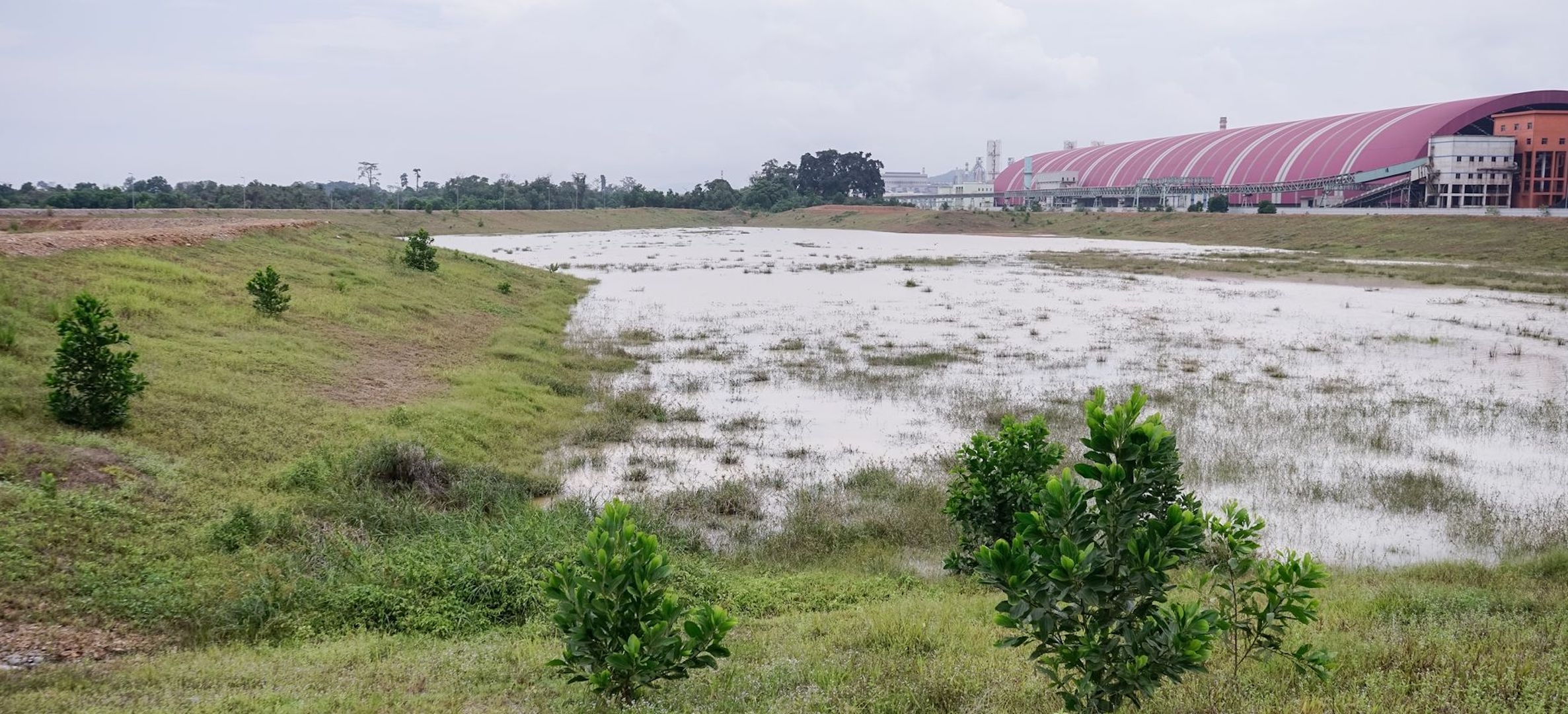
Sediment control is one of the most critical aspects of stormwater management on active construction sites. When soil is disturbed, erosion accelerates, and sediment-laden runoff can quickly overwhelm nearby waterways, storm drains, and downstream infrastructure by increasing turbidity.
To control this risk, construction projects rely on sediment control measures designed to slow water, capture soil, and reduce pollutant discharge.
Two of the most commonly used structural controls are sediment traps and sediment basins. While they serve a similar purpose, they are not interchangeable.
Understanding the difference between a sediment trap and a sediment basin is essential for proper SWPPP design, regulatory compliance, and effective erosion control.
This guide explains how sediment traps and sediment basins work, when to use each control, and why selecting the right system is critical for both environmental protection and project success.
What Is a Sediment Trap?
A sediment trap is a temporary, small-scale sediment control structure designed to capture sediment from runoff before it leaves a disturbed area. Sediment traps are typically used on smaller drainage areas where runoff volumes are limited.
Sediment traps work by slowing stormwater flow, allowing heavier soil particles to settle out before water exits the site. They are usually constructed using a combination of:
- An excavated depression or embankment
- Stone check dams or rock outlets
- Silt fence or earthen berms
Because sediment traps are relatively simple and quick to install, they are commonly used during early construction phases when site disturbance is limited, and permanent controls are not yet in place.
How Sediment Traps Function on a Job Site
Sediment traps rely on temporary detention, not storage. Runoff enters the trap, velocity decreases, and sediment settles out. Water then exits through a stabilized outlet.
Their effectiveness depends heavily on:
- Proper sizing for the drainage area
- Correct placement at low points
- Routine maintenance to remove accumulated sediment
If sediment fills more than half the trap’s capacity, it must be cleaned out to remain functional. Without maintenance, sediment traps lose effectiveness quickly and can become a source of uncontrolled discharge.
What Is a Sediment Basin?
A sediment basin is a larger, engineered sediment control system designed to manage runoff from larger drainage areas over a longer period of time. Sediment basins are typically required when drainage areas exceed regulatory thresholds, often 5 acres or more, though exact requirements vary by jurisdiction.
Unlike sediment traps, sediment basins are designed to:
- Detain runoff for longer periods
- Handle higher stormwater volumes
- Provide greater sediment removal efficiency
Sediment basins are commonly used on large construction sites, phased developments, or projects with extended timelines.
How Sediment Basins Work
Sediment basins temporarily store stormwater and slowly release it through a controlled outlet structure. This extended detention time allows finer sediment particles to settle out, significantly improving water quality.
A typical sediment basin includes:
- An engineered embankment or excavated basin
- A principal spillway or riser structure
- Emergency overflow spillway
- Stabilized inlet and outlet protection
Because of their size and complexity, sediment basins require design calculations, proper construction sequencing, and regular inspections.
Key Differences Between Sediment Traps and Sediment Basins
While both systems control sediment, the differences between sediment traps and sediment basins are significant and affect compliance, performance, and risk.
| Feature | Sediment Trap | Sediment Basin |
| Drainage area | Small (typically <5 acres) | Large (often ≥5 acres) |
| Storage volume | Limited | Substantial |
| Detention time | Short | Extended |
| Engineering required | Minimal | Yes |
| Typical use | Early-phase or small sites | Large or long-term projects |
| Maintenance frequency | Frequent | Scheduled but still critical |
| Regulatory oversight | Moderate | High |
Choosing the wrong system can lead to permit violations, site flooding, or downstream sediment impacts.
When Using a Sediment Trap Is the Right Choice
Sediment traps are appropriate when runoff volumes are limited and site disturbance is temporary or localized. They are commonly used:
- On small construction sites
- During early grading phases
- At isolated drainage points
- As supplemental controls alongside other BMPs
Because sediment traps are easier to install and remove, they offer flexibility during dynamic construction phases. However, they should never be used where runoff exceeds their design capacity.
When a Sediment Basin Is Required
Sediment basins are typically required when projects disturb large areas or generate significant runoff. They are often mandated by:
- NPDES permit requirements
- State or local stormwater regulations
- Approved SWPPP designs
Sediment basins are especially important when drainage areas exceed regulatory thresholds, construction will last multiple seasons, or high sediment loads are expected
In these scenarios, sediment traps simply cannot provide adequate protection against the sheer volume of runoff.
Maintenance Requirements for Sediment Traps and Basins
System maintenance is essential for keeping sediment traps and basins fully functional. The table below illustrates common housekeeping requirements to keep these BMPs working their best.
| System Type | Key Maintenance Requirements |
| Sediment Traps | Remove accumulated sediment frequently to maintain storage capacity |
| Keep outlet structures clear to prevent backup and overtopping | |
| Inspect and maintain stone structures to ensure stability and proper flow control | |
| Sediment Basins | Measure sediment accumulation regularly and remove material before capacity is reduced |
| Inspect outlet structures after storm events for blockages or damage | |
| Stabilize and monitor embankments to prevent erosion, failure, or uncontrolled discharge |
How to Choose the Right BMP for Your Next Construction Project
Choosing the right best management practice (BMP) for sediment control requires more than matching a device to a disturbed area. Effective selection depends on how water actually moves across the site, how long that disturbance will last, and how the project will be built in phases.
Environmental service providers evaluate key site-specific factors, including topography and drainage patterns, soil types and erosion potential, construction sequencing, and applicable regulatory requirements.
These elements determine whether a sediment trap, sediment basin, or combination of BMPs will function as intended under real storm conditions.
Environmental consultants help translate SWPPP requirements into practical, enforceable solutions.
By assessing site conditions early and adjusting BMP selection as construction progresses, they reduce the risk of failures, enforcement actions, and costly rework. The result is a sediment control strategy that protects downstream resources, maintains compliance, and keeps projects moving forward without unexpected delays.
FAQs: Sediment Traps vs. Sediment Basins
What is the main difference between a sediment trap and a sediment basin?
A sediment trap handles small drainage areas with short detention, while a sediment basin manages larger areas with extended storage and engineered outlets.
Are sediment basins always required for large sites?
In most jurisdictions, yes. Regulatory thresholds typically mandate sediment basins for larger disturbed areas.
Can a sediment trap replace a sediment basin?
No. Sediment traps are not designed to manage large runoff volumes or long-term sediment loads.
Do sediment basins require engineering approval?
Yes. Sediment basins usually require design calculations and approval as part of a SWPPP.
How often should sediment controls be inspected?
After each significant rainfall event and at regular intervals defined by the permit.
What happens if sediment controls fail inspection?
Projects may face corrective action orders, fines, or work stoppages until compliance is restored.
Can both systems be used on the same site?
Yes. Large sites often use sediment basins as primary controls and sediment traps as supplemental measures.
Who determines which system is required?
The decision is based on site conditions, drainage area size, and regulatory requirements, often with input from environmental professionals.