
Stormwater inspections are one of the most important compliance obligations on any active construction site. Whether you’re working under an NPDES Construction General Permit (CGP) or a state-specific stormwater program, your inspection results determine whether your site stays compliant.
A proper stormwater inspection doesn’t just check boxes. It verifies that your job site is actively preventing sediment, debris, and pollutants from leaving the site and entering nearby waterways.
These inspections ensure your BMPs are functioning, your SWPPP is being followed, and your team is prepared to respond to storms, failures, or unexpected site changes.
This guide breaks down the essential aspects of a stormwater inspection on job sites, from required documentation to BMP checks, discharge evaluations, and common red flags inspectors focus on.
The Importance of Stormwater Inspections
Stormwater runoff is a major source of water pollution across the United States. In addition to dangerous chemicals that can run off from an active construction site, loose sediment can cloud water systems, choking them of precious oxygen.
The federal government mandates that job sites disturbing one acre or more (or those part of a larger common project) must perform routine stormwater inspections. These inspections are designed to:
- Prevent sediment discharge
- Minimize erosion
- Verify SWPPP compliance
- Protect nearby water bodies
- Reduce liability and fines
Together, routine stormwater inspections and proactive BMP maintenance form the backbone of a compliant, environmentally responsible job site.
The following are eleven essential aspects of stormwater inspections that site managers need to be aware of to prepare accordingly and maintain compliance.
1. Reviewing the SWPPP and Required Documentation
Every inspection begins with a documentation review. A SWPPP must be updated constantly, not just at the start of the project.
Inspectors check whether the plan actually matches the site’s current conditions, including phases of construction, newly disturbed areas, or modified drainage paths.
This review includes:
- Confirming the SWPPP is accessible on-site
- Ensuring new BMPs or changes are documented
- Verifying rainfall logs, training records, and inspection logs
- Checking that all required maps and site diagrams are current
An outdated or incomplete SWPPP can trigger a violation even if the BMPs are performing well.
2. Inspecting Perimeter Controls
Perimeter controls such as silt fencing, wattles, and berms prevent sediment from leaving the site. During an inspection, the focus isn’t only on whether these controls are present, but whether they are intact, properly trenched, and capable of handling upcoming storm events.
Inspectors look for signs of undercutting, sagging fabric, gaps, or points where water can bypass the control altogether. If sediment is collecting against a control or if water is flowing beneath it, repairs are required immediately to maintain compliance.
3. Evaluating Stabilization Measures
Stabilization refers to how much exposed soil is protected by vegetation, mulch, blankets, mats, gravel, or pavement. Inspectors evaluate disturbed areas to determine whether temporary or permanent stabilization has been installed within required timeframes.
They check slope conditions, bare soil patches, and any signs of rilling or erosion. Stabilized areas must show clear progress toward preventing soil displacement — something quickly assessed after a storm.
4. Checking Inlet and Outlet Protection
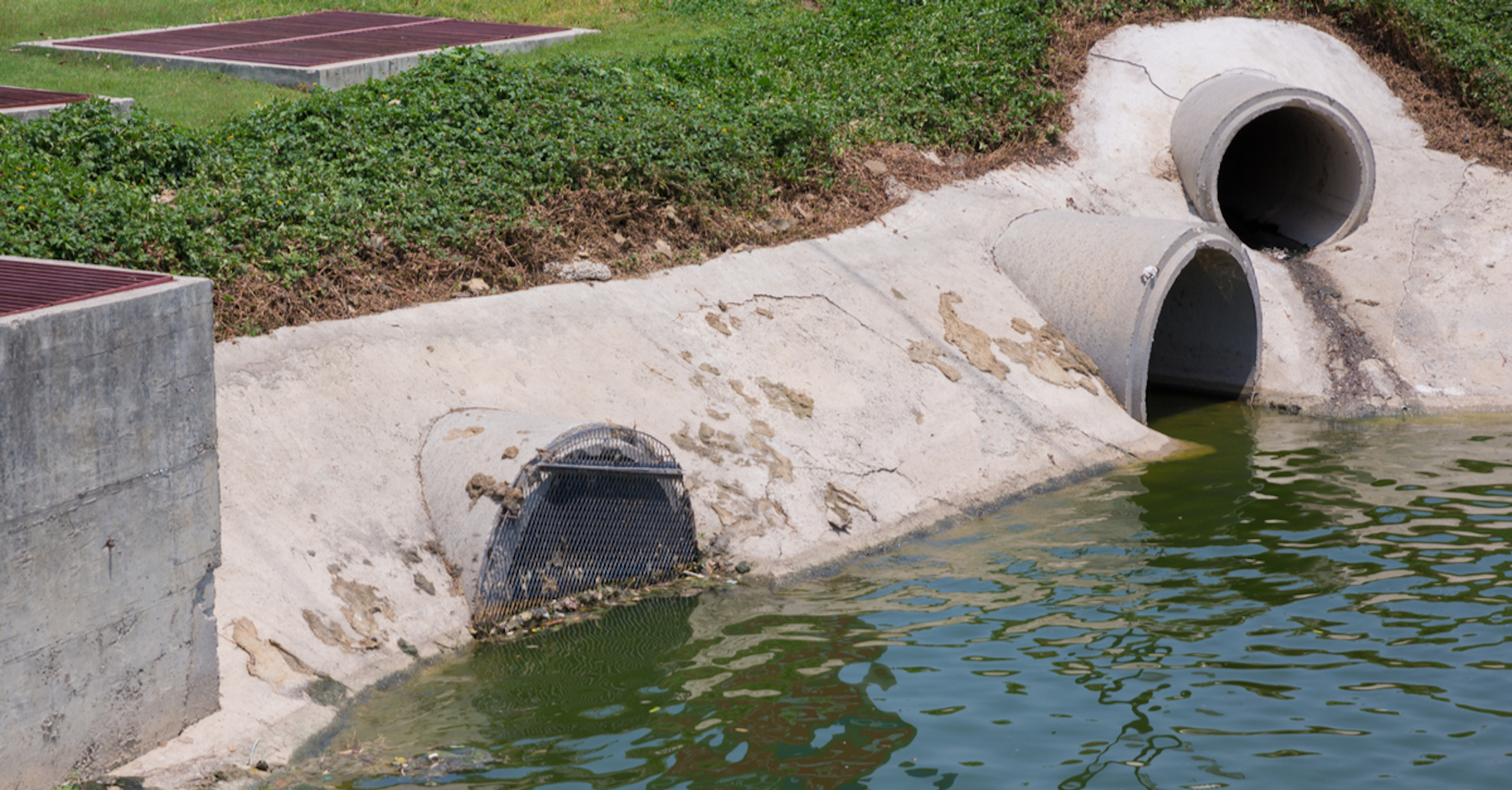
Storm drains, curb inlets, and discharge points require special attention during inspections. Inspectors assess whether inlet protections are properly secured, free of damage, and not overly clogged with sediment.
At outlets, the focus shifts to water quality. Murky or visibly sediment-laden discharges are red flags and can result in immediate enforcement. Inspectors often check for scour holes, erosion at the discharge point, or sediment deposits downstream.
5. Inspecting Sediment Traps and Basins
Sediment traps and basins are essential for large or highly active sites. They need to maintain a certain storage capacity to function correctly. During inspections, the basin’s depth, accumulated sediment, outlet structure, and embankment integrity are evaluated.
Signs of overtopping, poor maintenance, or short-circuiting flow paths indicate the sediment basin is no longer performing. These issues must be corrected quickly to prevent major discharges.
6. Observing Active Construction Areas
High-activity zones such as utility installations, foundation excavation, and access roads generate significant disturbance. Inspectors walk these areas looking for erosion, loose soil, standing water, inadequate grading, or improper staging of materials.
Because conditions change rapidly in active construction areas, BMPs must be constantly adjusted. An inspection documents whether the contractor has responded appropriately.
7. Evaluating Stockpiles, Materials, and Waste
Improper handling of construction materials is one of the fastest ways to violate NPDES regulations. Inspectors check whether soil stockpiles are covered or surrounded by BMPs, whether concrete washout areas are properly contained, and whether hazardous materials are protected from rain.
Any loose debris, uncontained waste, or poorly stored chemicals will lead to corrective actions and possible citations.
8. Checking for Vehicle Tracking and Site Exit Controls
Sediment tracked onto public roads is both a regulatory issue and a safety hazard. Inspections evaluate the condition of stabilized construction entrances, stone pads, rumble plates, and wheel-washing equipment.
If tracking is visible on paved surfaces near the exit, the site must initiate additional BMPs or increase maintenance frequency, particularly after rain or heavy equipment use.
9. Examining Discharge Points
Every discharge location must be reviewed for water clarity and quality. Inspectors observe whether runoff is turbid, whether sediment plumes are forming, and whether erosion is occurring beyond the site boundary.
If water is visibly carrying sediment, the discharge is considered non-compliant. Inspectors will then trigger corrective actions and require follow-up inspections.
10. Documentation and Corrective Actions
A stormwater inspection must end with clear documentation. Inspectors record site observations, identify deficiencies, required repairs, timelines for completion, and photographic evidence.
Corrective actions must be completed within the timeframe dictated by the permit, often within 24 hours for serious erosion risks. Documentation protects contractors during audits and demonstrates compliance to regulators.
11. Communication and Training
Inspections only matter if the findings are communicated effectively. Supervisors must relay issues to crew members, train them on proper BMP maintenance, and ensure everyone understands their role in preventing stormwater violations.
Clear communication helps avoid recurring problems and creates a culture of compliance on the job site.
Stormwater inspections are a critical safeguard against erosion, pollution, and costly violations. By monitoring BMP performance, documenting site conditions, and correcting issues before storms hit, construction managers protect the environment, reduce liability, and keep their projects compliant and on schedule.
A well-run stormwater inspection program ensures that your job site remains stable, responsible, and prepared for whatever the weather brings.
FAQs
How often do stormwater inspections need to be performed?
Most NPDES construction permits require inspections weekly or every 14 days, and within 24 hours of any rainfall event greater than 0.25 inches.
What happens if inspectors find deficiencies?
Deficiencies must be corrected within the timeline specified by the permit. Severe risks, like failing silt fences or sediment-laden discharges, require immediate action.
Who is allowed to conduct a stormwater inspection?
Inspections must be performed by a “qualified person,” typically someone who has completed approved stormwater inspection training and understands the site’s SWPPP.
What happens if an inspection identifies a problem?
Deficiencies must be corrected as soon as possible, usually within 7 days, depending on local rules. Corrective actions must be documented in the SWPPP and verified during the next inspection.
Do small construction sites need stormwater inspections?
Even sites disturbing less than one acre may require inspections if they are part of a larger common plan of development. Local MS4 programs may also impose inspection requirements regardless of project size.