
can silently undermine construction projects, landscaping work, and even entire ecosystems if left unchecked. Whether you’re stabilizing a steep slope, protecting waterways, or safeguarding newly cleared land, erosion control tubes are one of the most effective and environmentally friendly tools available today.
In this guide, we’ll break down what erosion control tubes are, how they work, and why they matter for both small- and large-scale projects. You’ll also discover their environmental benefits, installation best practices, and how they compare to other erosion control methods.
What Are Erosion Control Tubes?
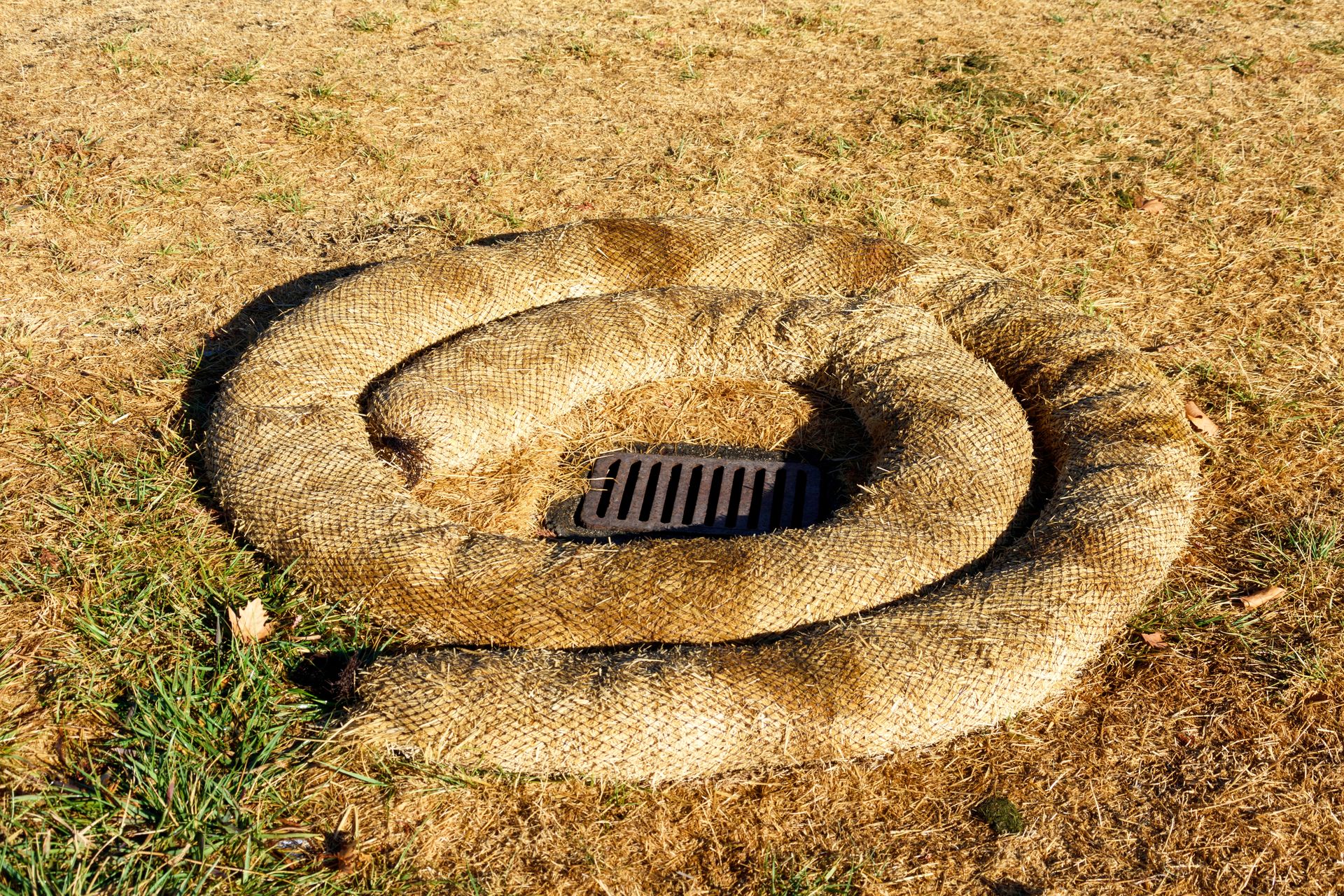
Erosion control tubes—sometimes called filter socks, sediment tubes, or compost filter socks—are large, mesh-like fabric tubes filled with organic material (often compost, mulch, or wood chips). They are strategically placed on slopes, construction sites, or along waterways to slow water flow, trap sediment, and encourage vegetation growth.
These tubes act as natural barriers, filtering stormwater while holding soil in place. Unlike hard barriers (such as concrete or riprap), they provide a flexible, biodegradable, and environmentally conscious approach to soil stabilization.
Key Features of Erosion Control Tubes:
- Filled with compost, wood chips, or similar organic materials.
- Permeable fabric allows water to pass through while trapping sediment.
- Available in multiple diameters and lengths, depending on site needs.
- Designed for both temporary and long-term erosion management.
How Do Erosion Control Tubes Work?
At their core, erosion control tubes work by combining filtration, absorption, and vegetation support.
They slow down runoff by acting like small check dams, reducing water velocity and allowing it to soak into the soil instead of washing it away.
Inside, the compost material filters sediment, fertilizers, and even some pollutants before they can reach storm drains or waterways.
Many tubes are designed to integrate with seeding, so as vegetation establishes, root systems further stabilize the soil and provide long-term erosion control. Because they are flexible, erosion control tubes naturally adapt to uneven terrain and slopes, making them effective in areas where rigid barriers often fail.
According to the U.S. Environmental Protection Agency (EPA), compost-based erosion control measures like filter socks can significantly reduce sediment loss compared to silt fences and other traditional barriers.
Benefits of Erosion Control Tubes
Erosion control tubes offer both practical construction advantages and long-term ecological benefits. Here’s why they stand out:
1. Effective Sediment Control
Sediment runoff is one of the leading causes of water pollution in the United States. Tubes trap soil particles at the source, preventing them from entering waterways and storm drains.
2. Environmentally Friendly
Unlike synthetic barriers, tubes are often made from biodegradable materials. Once the project is complete, they can be left in place to naturally decompose, enriching the soil rather than leaving waste behind.
3. Easy Installation
Unlike silt fences or stone check dams, erosion control tubes are relatively simple to install. They require minimal trenching and can often be placed directly on the soil surface.
4. Cost-Effective
Tubes save money on remediation and compliance fines because they reduce soil loss and protect stormwater systems. They’re also reusable in some applications, lowering long-term costs.
5. Flexible Applications
From steep slopes to roadside ditches, tubes adapt to a wide variety of landscapes. Their portability and lightweight design make them a versatile choice for contractors.
6. Regulatory Compliance
Many state and federal agencies accept erosion control tubes as part of required stormwater management plans. This makes them a reliable option for meeting EPA National Pollutant Discharge Elimination System (NPDES) standards.
Common Applications
Erosion control tubes are used in both temporary construction projects and permanent land management. Typical applications include:
- Construction Sites: Controlling sediment near grading and excavation work.
- Roadside Stabilization: Preventing erosion along embankments and ditches.
- Shoreline & Stream Bank Protection: Reducing runoff and stabilizing banks near water bodies.
- Slope & Hill Stabilization: Slowing water on steep grades.
- Agricultural Fields: Managing runoff and preventing nutrient loss.
- Stormwater Management: Filtering pollutants before water enters drains or retention ponds.
Installation Best Practices
Installation is key to getting the most benefit out of your erosion control tubes. Here are a few best practices we recommend from our years of working with erosion control tubes.
- Site Assessment: Walk the site to identify water flow paths, slopes, and potential high-erosion areas.
- Positioning: Place tubes along contour lines or at the base of slopes to intercept runoff before it accelerates.
- Anchoring: Secure tubes with stakes or wooden pins to prevent movement during heavy rainfall.
- Spacing: On steeper slopes, multiple rows of tubes may be necessary to provide step-down erosion control.
- Maintenance: Inspect regularly after storms. Replace or repair sections if they become clogged or displaced.
- Integration with Vegetation: For long-term stability, seed or plant around tubes to encourage root systems to take over erosion control duties once tubes decompose.
The USDA Natural Resources Conservation Service (NRCS) emphasizes that combining structural erosion controls with vegetation offers the best long-term outcomes (NRCS, 2018).
Erosion Control Tubes vs. Other Methods
How do tubes stack up against more traditional erosion control barriers?
| Method | Pros | Cons | Best Use |
| Erosion Control Tubes | Biodegradable, easy to install, effective filtration | May need replacement after heavy storms | Slopes, ditches, site perimeters |
| Silt Fences | Inexpensive, widely accepted | Can fail if improperly installed, not biodegradable | Flat terrain, temporary projects |
| Riprap (rock barriers) | Very durable, good for heavy flow | Expensive, less eco-friendly, requires heavy machinery | Stream banks, high-flow drainage areas |
| Erosion Control Blankets | Great for slopes, encourages vegetation | Requires surface contact, installation labor | Steep slopes, landscaping projects |
| Check Dams | Strong sediment control | More costly, needs engineering design | Channels and ditches with high flow |
Why Contractors and Property Owners Choose Erosion Control Tubes
Whether you’re a contractor managing a subdivision project or a homeowner protecting a steep backyard slope, erosion control tubes strike the right balance between effectiveness, cost, and sustainability.
Unlike older methods that create waste or require extensive labor, these tubes are:
- Easy to install and maintain.
- Safe for the environment.
- Recognized by regulators.
- Adaptable for small or large sites.
Erosion control tubes are a smart, sustainable way to manage runoff, protect soil, and comply with environmental regulations. By slowing water, filtering sediment, and supporting vegetation, these tubes protect both your project and the environment.
Whether you’re stabilizing a construction site, safeguarding a stream bank, or managing a residential slope, erosion control tubes deliver proven results.
When paired with proper installation and vegetation growth, they become one of the most reliable tools for long-term erosion management.
FAQs
Do erosion control tubes really work?
Yes. Studies by the EPA and NRCS have shown that compost filter socks (erosion control tubes) are highly effective at reducing sediment runoff compared to traditional methods.
Are erosion control tubes reusable?
Some models are reusable, but most are designed to be left in place and biodegrade naturally.
How long do erosion control tubes last?
Depending on material, site conditions, and rainfall, tubes typically last from 6 months to 3 years.
Do I need a permit to use erosion control tubes?
If your project disturbs one acre or more of land, you’ll likely need a stormwater permit under EPA guidelines. Tubes can help meet compliance requirements.