
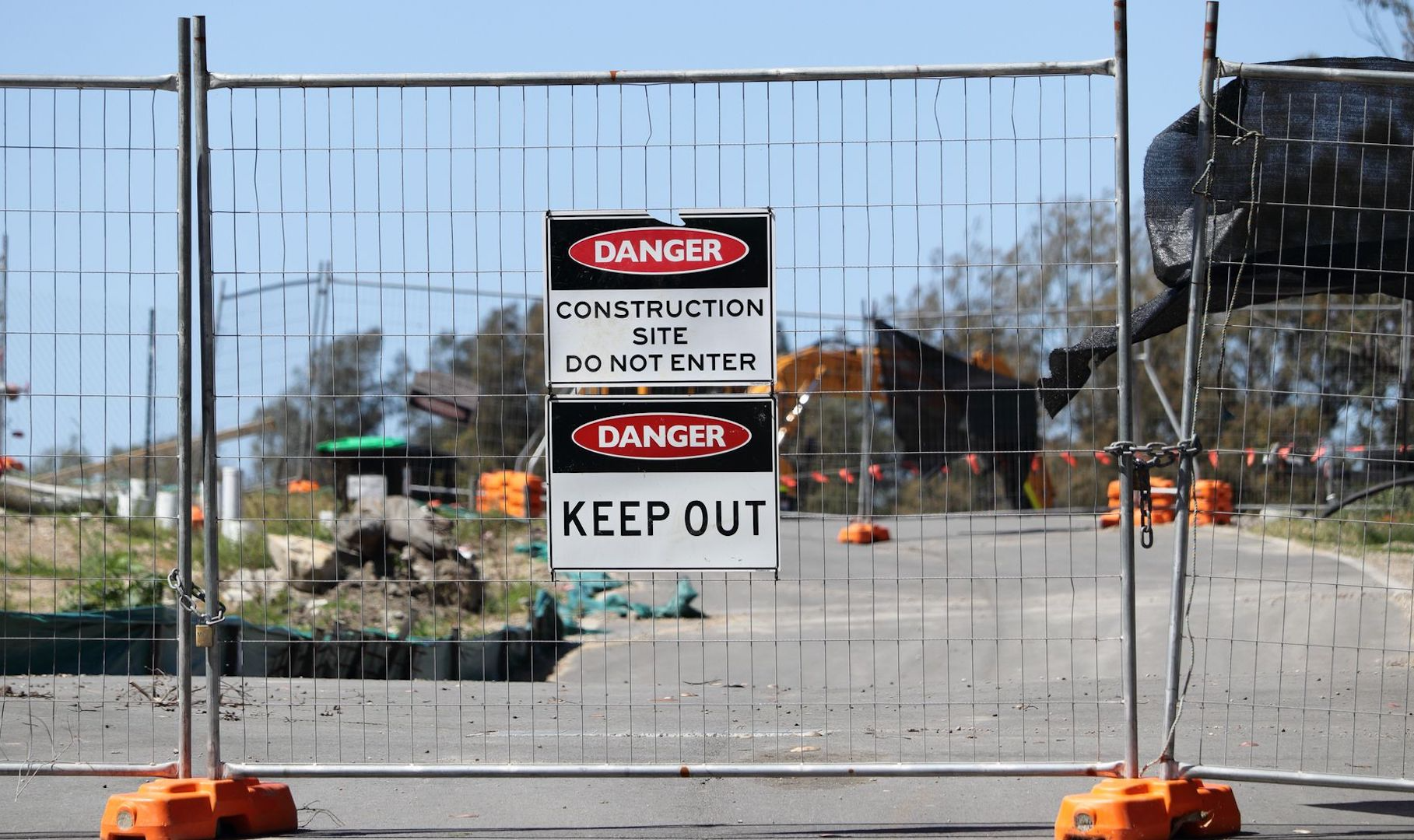
When you pass by a construction site, chances are you’ve seen a temporary fence surrounding the work zone. These barriers are critical in keeping projects safe, secure, and compliant.
As much as temporary fences are about protecting worksites from theft and vandalism, they also protect the public from hazards found on the worksite.
But does every construction site really need a temporary fence? The answer depends on your project’s size, location, and risk level. In this article, we’ll explain why temporary fences are important, the benefits they provide, and what to consider when deciding if your site requires one.
What Is a Temporary Fence?
A temporary fence is a movable barrier system designed to enclose a construction site, event area, or restricted zone for a limited period of time. Unlike permanent fencing, these barriers can be quickly installed, relocated, and removed once the project is complete.
Most construction fences are made of chain-link panels supported by weighted bases or posts driven into the ground. They may also include add-ons like privacy screens, gates, or signage, depending on project needs.
Common features of construction site fencing include:
- Chain-link or welded mesh panels.
- Metal or concrete bases for stability.
- Optional wind or debris screens.
- Gates for vehicle and pedestrian access.
Why Temporary Fencing Matters
Construction sites can pose significant hazards: both to workers inside and to the public outside. Without proper barriers, accidents, theft, or liability issues can quickly derail a project.
Temporary fencing provides a first line of defense by:
- Restricting unauthorized access.
- Reducing theft and vandalism.
- Protecting pedestrians and vehicles from hazards.
- Helping contractors meet regulatory and insurance requirements.
The Occupational Safety and Health Administration (OSHA) notes that construction zones must be secured to protect the public from injury. OSHA mandates that all areas that contain high voltage or falling hazards be gated off from the public.
In many jurisdictions, fencing is required by law for sites located in populated or high-traffic areas.
Key Benefits of Temporary Construction Fences
1. Enhanced Safety
Exposed trenches, heavy machinery, sharp materials, and unstable structures make construction zones risky places. A fence acts as a barrier to keep curious pedestrians, children, or pets from wandering into danger.
2. Theft and Vandalism Prevention
Construction materials and tools are frequent targets for theft. In fact, the National Equipment Register estimates that equipment theft costs the construction industry up to $1 billion annually in the U.S. Temporary fencing deters trespassers and makes it harder for thieves to access valuable assets.
3. Liability Protection
If an unauthorized person enters your site and gets injured, you could face costly lawsuits. A properly installed fence reduces that risk by showing you took reasonable steps to secure the area.
4. Compliance with Regulations
Many municipalities require fencing around active construction sites, particularly in urban areas. Failure to comply can result in fines or delays in permitting.
5. Site Organization
Temporary fences help contractors manage access points. By designating entry gates, you can better control the flow of vehicles, deliveries, and workers. This reduces confusion, improves site efficiency, and even aids stormwater management and concrete washouts.
When Is a Temporary Fence Required?
Not every project needs the same level of fencing. Here are some scenarios where a fence is typically necessary:
- Urban or High-Traffic Areas: To protect pedestrians and meet city ordinances.
- Sites with Excavations or Open Trenches: To prevent falls and injuries.
- Projects with High-Value Equipment: To reduce theft risk.
- School or Residential Zones: To keep children and residents safe.
- Publicly Funded Projects: Government contracts often require fencing for compliance.
If you’re unsure, check your local building codes. Some municipalities require fencing around any site involving demolition, excavation, or heavy equipment.
Types of Temporary Construction Fencing
Choosing the right temporary fence depends on your project’s size, budget, and security needs. Chain-link panels are the most common choice, offering durability, flexibility, and the ability to add privacy screens when needed.
For smaller or short-term projects, mesh or welded wire panels provide a lighter, more affordable alternative. In situations that require quick setup but minimal security, barricades or crowd control barriers work well, though they’re more suited for events than active construction zones.
If aesthetics or dust control is a concern, privacy fencing—typically chain-link or mesh panels fitted with fabric covers—can improve the site’s appearance while containing debris.
Finally, post-driven fencing provides the greatest stability for long-term projects, though it’s less portable and requires more effort to install and remove.
Cost Considerations
The cost of temporary fencing varies based on site size, rental duration, and added features. On average, rental rates range from $5 to $15 per linear foot per month.
Factors affecting price include:
- Type of fencing (chain-link vs. mesh).
- Length of rental.
- Installation and removal fees.
- Add-ons like gates, screens, or signage.
While fencing is an upfront expense, it often saves money in the long run by preventing theft, fines, and liability issues.
Best Practices for Using Temporary Fences
To get the most out of your temporary fencing, it’s best to plan ahead and stay proactive. Install barriers before heavy equipment or materials arrive, and make sure they’re anchored securely to withstand wind and weather.
Adding clear signage reinforces site security, while designated gates help control traffic flow. Regular inspections, especially after storms, keep the fence in working order, and coordinating removal in advance ensures the project wraps up without delays.
Following these practices will make your construction site safer, more organized, and compliant from start to finish.
FAQs
Do all construction sites need temporary fencing?
Not all, but most projects require fencing to meet OSHA safety and compliance standards.
How tall should a temporary fence be?
Most regulations call for at least 6 feet in height, though some high-security sites may require taller barriers.
Can I rent or buy temporary fencing?
Yes. Rental is common for short-term projects, while long-term or recurring projects may benefit from purchasing their own fence.
Does fencing slow down construction?
No—when properly installed, fencing actually improves efficiency by organizing access and reducing disruptions.