
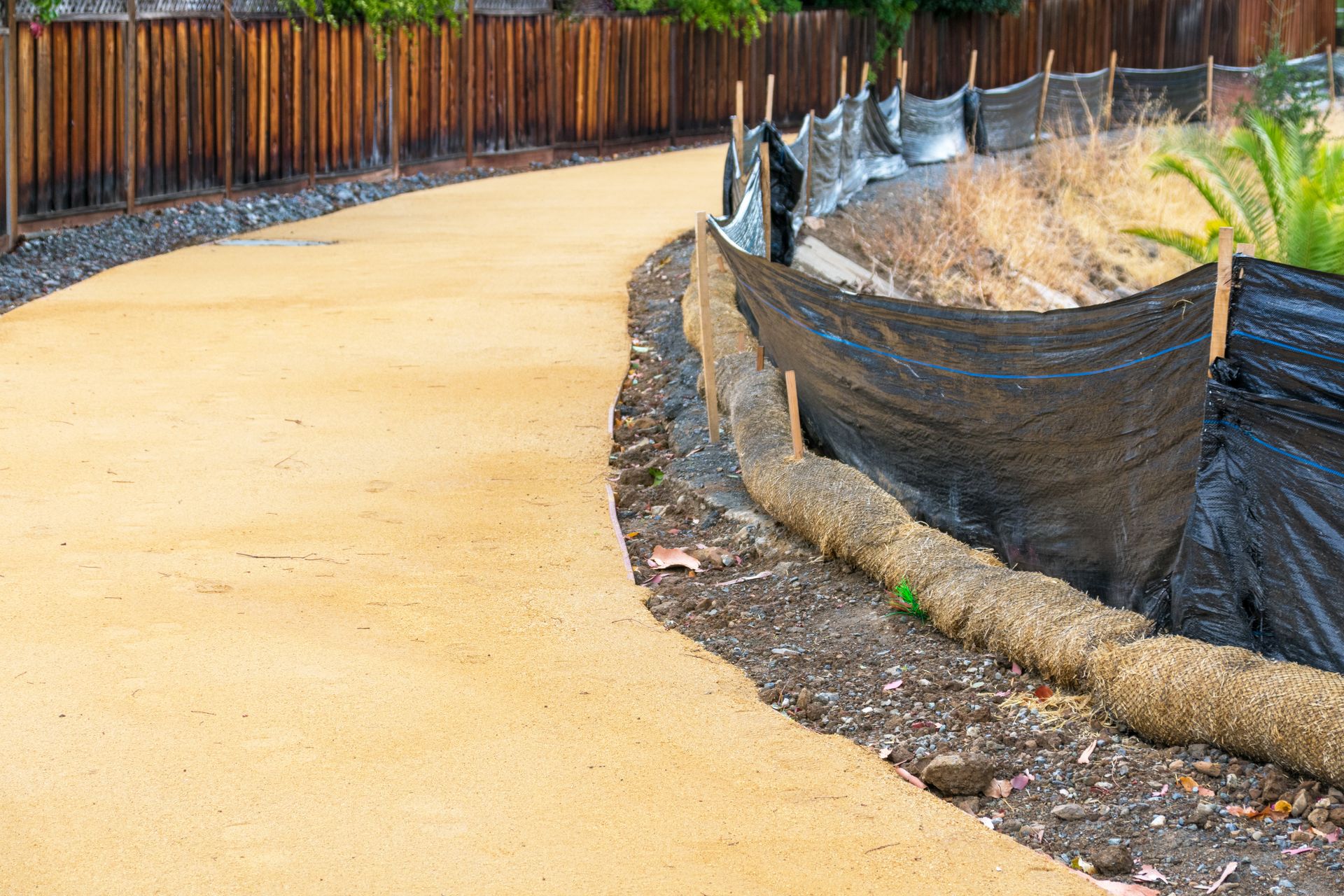
Stormwater Best Management Practices (BMPs) are control measures, such as silt fences, sediment basins, and riprap, used on construction sites to control erosion and trap pollutants before they reach local waterways.
Under federal regulations like the Clean Water Act, construction activities that disturb one or more acres (or discharge runoff into public waters) must obtain an NPDES permit and maintain a Stormwater Pollution Prevention Plan (SWPPP).
Implementing stormwater BMPs not only ensures full regulatory compliance and protects surrounding ecosystems from toxic runoff, but it also helps site managers avoid severe non-compliance fines that could total up to $100,000 daily.
Whether you are developing a site-wide SWPPP or selecting specific erosion control solutions, choosing the right stormwater BMPs is essential for your job site.
The Purpose of Stormwater BMPs
Stormwater BMPs are designed to reduce pollution from an active work zone and manage runoff. Their primary goals include:
- Preventing Pollution: This includes chemical-related water pollution and sediment runoff.
- Maintaining Water Quality: Sediment runoff can increase turbidity, which can damage water quality and even lead to waterborne illness.
- Reducing Erosion: Erosion of nearby soil and land can cause pollution and disrupt the local ecosystem.
- Maintaining Regulatory Compliance: Fines for stormwater runoff pollution can be significant and delay worksite progress.
- Preventing Flooding: Active stormwater runoff management also protects local ecosystems from flooding, including your own worksite.
- Conserving Vulnerable Resources: Certain aquatic species, such as trout and other fish, may require more hands-on management if local environmental authorities consider them vulnerable.
The Clean Water Act mandates that all construction sites that disturb up to 1 acre of land or discharge stormwater runoff into public water bodies must acquire an NPDES permit and develop an internal stormwater pollution prevention plan (SWPPP).
From fertilizers, oils, paints, and metals to sediment erosion that can wash away from an active construction zone, construction sites can be a significant source of pollution to surrounding ecosystems.
Common Types of Stormwater BMPs Found on Construction Sites
Stormwater BMPs are generally divided into five categories:
- Perimeter Preservation
- Slope Stabilization
- Single-Area Protection
- Point Source Protection
- Sediment Control
The following table outlines each of these stormwater BMPs, including common controls used for each purpose.
| BMPs | Purpose | Examples |
|---|---|---|
| Perimeter Preservation | Reduce the risk of uncontrolled runoff. |
|
| Slope Stabilization | Prevent erosion and reduce flooding risks. |
|
| Single-Area Protection | Increase area infiltration and reduce soil erosion. |
|
| Point Source Protection | Manage and filtrate runoff as it is discharged. |
|
| Sediment Control | Filter out sediment before it is discharged. |
|
Perimeter Preservation
Perimeter stormwater BMPs are designed to protect the perimeter of sites, whether it’s around the tree line or shoreline.
Common examples include:
- Ripraps: Large rocks assembled around shorelines, most commonly rivers, oceans, and ponds.
- Silt Fencing: Large fencing constructed of geotextile fabric that helps filter out sediment and debris.
- Straw Wattles: Cylindrical straw bags that help filter out debris and sediment; commonly used on slopes and perimeters.
Slope Stabilization
Slope stabilization BMPs are designed to prevent slope erosion and reduce the velocity of runoff.
Common BMPs include:
- Underground Pipes: Diversionary pipes designed to channel runoff away from slopes.
- Erosion Control Matting: Geotextile fabric placed over soil that is designed to prevent erosion.
- Vegetated Swales: Contoured ditches filled with vegetation to increase infiltration and reduce runoff velocity.
Silt fencing and straw wattles are also effective on slopes to prevent erosion and filter out any sediment that may flow off the site.
Single-Area Protection
Many stormwater BMPs are designed to protect specific areas where the soil is highly vulnerable to erosion, such as bare topsoil, steep slopes, low-lying drainage depressions, and impervious surfaces, or where opportunities exist for increased ground infiltration.
Common single-area BMPs include:
- Hydroseeding: Uses a slurry of organic compounds to promote quick revegetation of the soil.
- Infiltration Basins: Small basins that allow the ground to collect and absorb stormwater before being deposited downstream.
- Porous Pavement: Helps absorb water and infiltrate the soil underneath.
- Green Roofs: Help filter water from sediment and provide energy efficiency.
- Erosion Control Blankets: Protective geotextile matting laid over vulnerable soil to prevent surface erosion while vegetation takes root.
- Vegetated Swales: Contoured ditches filled with vegetation to slow down runoff velocity
Point Source Protection
Specific stormwater BMPs are deployed to protect and filter out nasty chemicals before they are discharged down storm drains or rivers. These are commonly found at discharge points, such as catch basins and storm drain inlets.
- Oil-Water Separators: These filtration systems help separate viscous material from water being deposited down a storm drain.
- Storm Drain Inlet Protection: Small artificial barriers are placed around storm drains to help filter out heavy compounds.
- Catch Basin Inserts: Mesh filters are inserted in storm drains or pipes to provide additional filtration.
Sediment Control
Finally, sediment control BMPs are designed specifically to filter out sediment. One common example is a sediment or retention basin, which holds a large body of water, allowing site operators to scoop or filter out sediment before it is systematically discharged from the site.
Other common sediment controls include:
- Silt Fences
- Storm Drain Inlet Protection
- Sediment Filters
- Straw Wattles
- Ripraps
How to Choose the Right Stormwater BMPs
Choosing the right stormwater BMP depends on your site’s specific physical features, local weather conditions, and regulatory requirements.
1. Assessing Your Project Needs
Begin with a comprehensive site assessment to evaluate your work zone’s topography, soil vulnerability, and surrounding ecosystems to pinpoint e
- Site Assessment: A thorough site assessment of your work zone, the surrounding ecosystems, and its topography will help you identify potential sources of pollution and areas where active BMPs will be required.
- Project Size and Scope: The size of your project plays a significant role in determining the type of BMPs required. For example, smaller and shorter projects may only require non-structural BMPs, while larger projects may require extensive silt fencing, erosion control blankets, and more.
- Environmental Regulations: State and municipal regulations may require different BMPs for active and post-construction stormwater management.
2. Pre-Construction Planning
Phasing your construction activity and planning ahead reduces the number of BMPs required for each project.
During this stage, there are a number of questions you can ask that will help you determine which stormwater BMP is right for you.
- Which areas of my worksite are most vulnerable to erosion?
- Which water bodies are best suited to receive my stormwater runoff?
- Are drainage areas suitable for a particular BMP? Will they be overwhelmed, and do they require additional support?
- Is there enough room to accommodate certain BMP designs, such as silt fence installation, retention ponds, etc.?
- Do you have the knowledge for retention pond maintenance and other specialized BMPs?
- Is there enough head that allows for stormwater to drain from certain sites properly?
- Is the soil amenable to biofiltration? Is the water table deep enough to allow for infiltration?
- Do discharge points require additional filtration? What protection can I offer to ponds, river beds, etc.?
- How often will I conduct inspections on my BMPs? Who will I train and task for inspections?
- What additional regulations does my state or municipality require? Do my proposed BMPs work for urban sites or require different calculations?
3. Additional Stormwater BMP Considerations
Before choosing which stormwater BMPs make the most sense for your worksite, consider the following factors:
- Consult with Experts: A third-party environmental consultant will help you create an SWPPP with stormwater BMPs that save you the most money and work the most effectively.
- Consider Multi-BMP Systems: Using a combination of structural and non-structural BMPs may be recommended depending on the size of your worksite.
- Regular Inspection and Maintenance: All stormwater BMPs require regular inspections and maintenance to ensure that they are working properly.
- Evaluate Costs: Consider the budget implications of your chosen BMPs. While environmentally friendly solutions are desirable, they must align with your project’s financial constraints.
- Monitor and Adjust: Depending on changing site plans, weather patterns, and results, you may need to adjust your BMPs.
Choosing the right stormwater BMPs is an integral part of any SWPPP. Now that you have the right information, you can choose a stormwater BMP that best fits your needs and budget.
FAQs
What is the primary purpose of Stormwater BMPs?
Stormwater BMPs are designed to prevent pollution of surrounding ecosystems and erosion of the native soil.
Are there any financial incentives for using eco-friendly BMPs?
Many regions offer incentives and grants to encourage the use of eco-friendly BMPs. Check with local authorities for available programs.
Can I use multiple BMPs for the same project?
Yes, using a combination of BMPs can enhance stormwater management by addressing different aspects of runoff.
How often should Stormwater BMPs be inspected and maintained?
Regular inspections should be conducted every seven days or after a significant rainfall event to ensure every BMP is working properly.
What are the potential consequences of not using appropriate Stormwater BMPs?
Failure to use suitable Stormwater BMPs can lead to environmental pollution, regulatory fines, and damage to your project’s reputation.
What is the difference between temporary and permanent BMPs?
Temporary BMPs, such as silt fences, straw wattles, and construction entrance pads, are installed during active site development to manage runoff while soil is exposed. Permanent BMPs, such as detention ponds, green roofs, and established vegetative cover, are designed to manage long-term stormwater runoff and protect against erosion after construction is complete.
Who is responsible for inspecting and maintaining BMPs on a job site?
The designated project owner, site operator, or a certified SWPPP inspector is legally responsible for conducting routine inspections, keeping up-to-date maintenance logs, and repairing damaged control measures to ensure continuous compliance with municipal and NPDES permit requirements.